Category: The Mount Ebal Curse Tablet

  • A Defixio?

    A Defixio?

    History V

    [Ebal’s Plea, eleven of thirty]

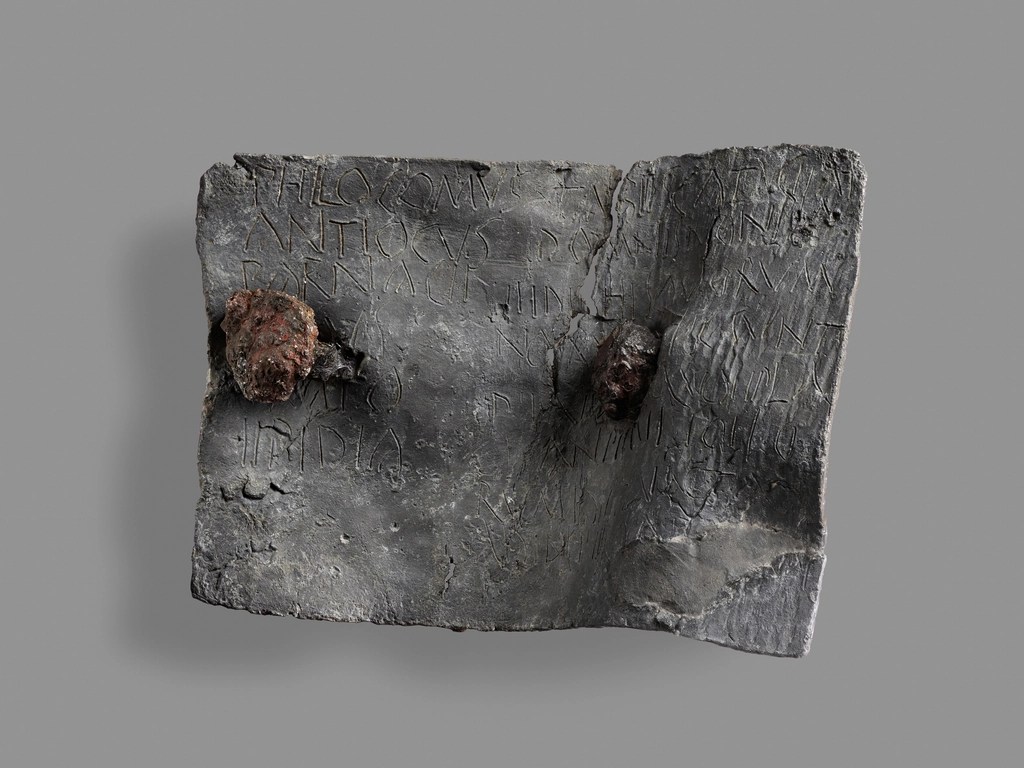
    What landed in Snyder’s tray she quickly identified as a defixio, an ancient curse tablet.1

    Likewise Stripling and many of their experienced associates concurred. Why? These they had often seen. From the Greco-Roman world they are relatively common archaeological finds.2

    Nevertheless, they also recognized the irony of finding one on Deuteronomy’s “Mountain of Curses.”

    Stripling immediately recognized too that at this site a defixio posed a problem. Zertal had dated the altar site from 1400 to 1250 B.C. This he had concluded from careful pottery analysis. Contrarily, Stripling knew that defixios commonly dated to the Greek and Roman eras, primarily fourth and third centuries B. C. forward. A defixio seemed inappropriate by around a millennium.3

    He, however, was aware of a possible precedent.

    The Book of Job speaks of Job’s desire to write on lead with an iron pen (Job 19:24).

    That book many scholars peg as the oldest biblical text. One reason is that it does not allude to the Law of Moses.4


    Photo by Pixabay on Pexels.com

    Maybe the defixio concept sprang from that or a similar exceedingly ancient tradition.

    Might other clues provide insights about this enigma? This our next post explores.

    Next post: “An Inscription!”

    1. Associates for Biblical Research, “ABR Researchers Discover the Oldest Known Proto-Hebrew Inscription Ever Found”, biblicarchaeology.org/ current-events-list/, Youtube, (06:24), March 24, 2022. ↩︎
    2. Sean McDowell, Oldest Hebrew Writing? Mt. Ebal Curse Tablet (Revisited) m.youtube.com>watch, (42:34-43:44), 11 May 2023; and
      Associates for Biblical Research, “ABR Researchers Discover the Oldest Known Proto-Hebrew Inscription Ever Found:, biblicarchaeology.org/current-events-list/, Youtube, (11:40; 19:25), March 24, 2022. ↩︎
    3. Breaking News “Mt Ebal Curse Tablet Peer Review Complete”, Appian Media, In Roads, youtube.com/watch?v=_15tYO4hqJS, (26:08), May 12, 2023. ↩︎
    4. Id. (10:30). ↩︎
    One-Time
    Monthly
    Yearly

    Make a one-time donation

    Make a monthly donation

    Make a yearly donation

    Choose an amount

    $5.00
    $15.00
    $100.00
    $5.00
    $15.00
    $100.00
    $5.00
    $15.00
    $100.00

    Or enter a custom amount

    $

    Your contribution is appreciated.

    Your contribution is appreciated.

    Your contribution is appreciated.

    DonateDonate monthlyDonate yearly

    Dinner-bouquet-option
    Dinner-bouquet-option
  • An Inscription!

    An Inscription!

    History VI

    [Ebal’s Plea, twelve of thirty]

    Although Stripling realized that glyphs adorned the tablet’s outside, he was most intrigued by what may lie within. There as with other defixios someone likely inscribed a curse.

    Usually this was of a trivial nature, often something like, “She stole my boyfriend, may all of her hair fall out!”1

    Stripling and a colleague therefore gingerly attempted to open it. The lead of one corner, brittle with age, however, crumbled. Further efforts they thus ceased.

    Fortunately, the lead fragments Hebrew University in Tel Aviv successfully analyzed. The determination was that the lead originated from a mine in Lavrion, Greece.2

    About that mine historians and archaeologist have arrived at an accepted position. It is that it exported to the Middle East from before the Late Bronze Age well into Roman times.

    Here a curious historical anomaly deserves consideration.

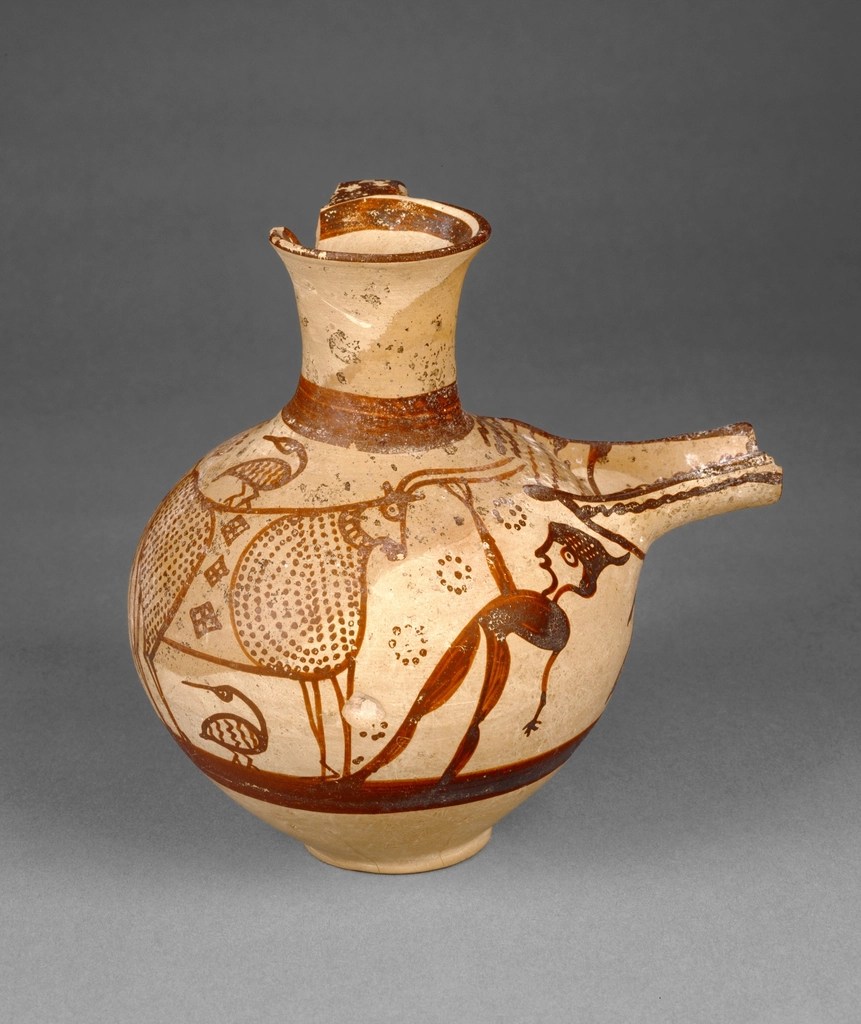
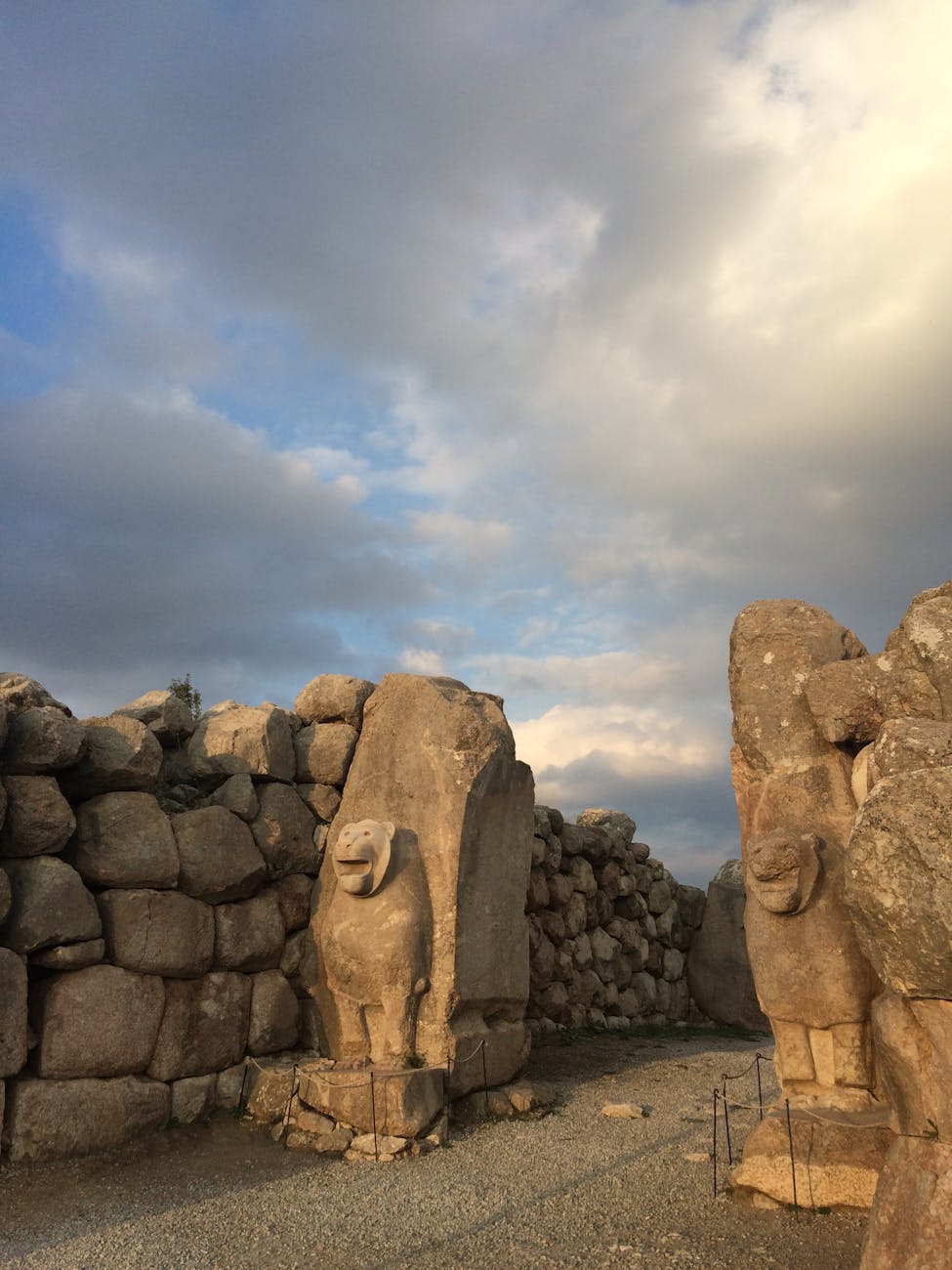
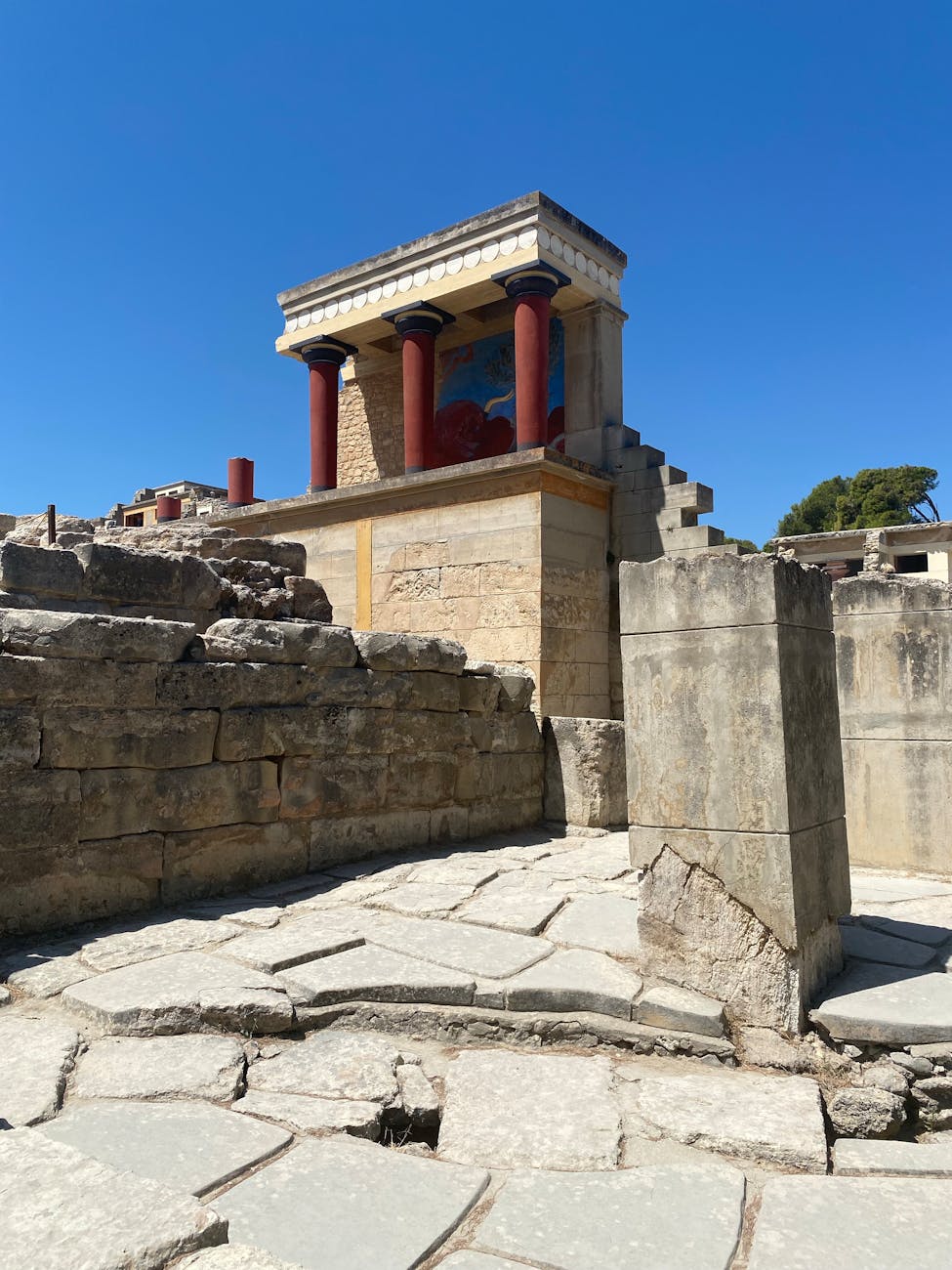
    In the Mediterranean world around the 12th century B. C. a dark age ensued. Then effectively Late Bronze Age civilization mysteriously imploded. Ancient exports plunged. Ostensibly European / Asian economic and cultural sophistication wilted. Among those civilizations disappearing or massively squelched include the Hittite, Ugarite, Minoan, Mycenaean, Trojan, and Babylonian.3 A definitive explanation for why alludes scholars to this date.4


    Mycenaean Sieve Jug Painter 20

    J. Paul Getty Museum
    Licensed under CC-CC0 1.0
    Lion-Gate-of-Hattusa,-Turkey

    Lion Gate of Hattusa, the Capital of the Hittites


    Bogazkale, Turkey

    Photo by u00f6zhan Hazu0131rlar on Pexels.com
    Knossos-Palace,-Crete

    Knossos in modern Crete, a leading cultural center of the ancient Minoans


    Photo by Luo on Pexels.com
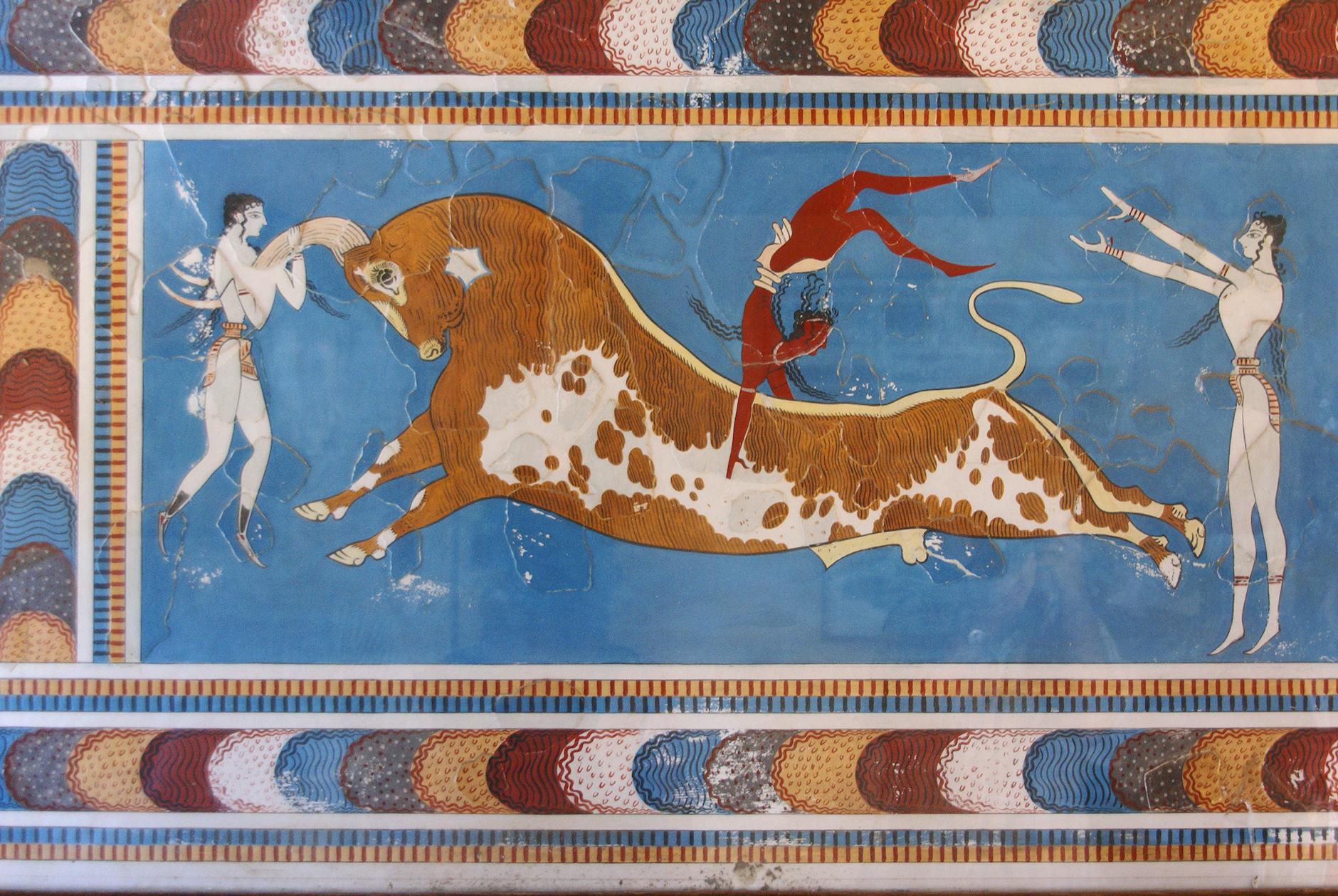
    Minoan fresco

    Minoan bull fresco in Knossos Palace, Crete, Greece

    Photo by Gu Bra on Pexels.com

    From this dark age understanding Stripling deduced a probability.

    He proposed that likely someone imported the lead tablet in the thirteenth, fourteenth, or earlier centuries B. C. Zertal dated pottery at the site between 1250 B. C. and 1400 B. C. Given the twelfth century’s mysterious economic and cultural collapse, someone likely imported the lead tablet in previous centuries. That is before the ancient dark age of 1200 to 1150 B. C.

    The metallurgical analysis, therefore, strengthened Stripling’s idea about the tablet’s date. Although not concrete, likely, the defixio dated from early in the late bronze age.

    Nevertheless, Stripling perceived that he had exhausted the tablet’s plausible investigative analysis. It was time for greater focus on his many other administrative, scholarly, and archaeological pursuits.

    Thinking thus, he sent an email to a colleague attaching a tablet photo. Subsequently, among archaeological circles this began to circulate.

    Then afterwards an unexpected opportunity for further investigation materialized.

    Stripling read of a technological advancement. The ability to peer into lead to discern written content had been demonstrated. Also, he learned that the Institute of Theoretical and Applied Mechanics in Telč (Czech Republic) excelled at the process.

    Arrangements were made. Israeli authorities gave a colleague a license to courier the “defixio” to Prague.5

    Prague

    Prague

    Photo by Eduardo Ortiz on Pexels.com

    Time passed. The Institute at Telč, 152 km. from the capital, finished its analysis and forwarded the results, scientific and epigraphical.

    Amazingly the Telč team indeed perceived something within. An epigraphic expert there suggested proto-alphabetic letters. That is, ancient letters representing sounds rather than complete thoughts.

    These initial revelations alone had profound meaning for Stripling. Now he had his most conclusive evidence for the date of the tablet. It had to be Late Bronze Age or Early Iron Age I. That is, from as early as 1400 to as late as 1250 B.C.6

    Why? Such was the epigraphically and archaeologically accepted period for use of proto-alphabetic script.

    No longer did the tablet present an anachronistic dilemma. It now definitively matched Zertal’s pottery dates.

    What else could this new evidence portend?

    This I probe further in my next post!

    Next post: “Staking a Claim”

    1. Sean McDowell, Oldest Hebrew Writing? Mt. Ebal Curse Tablet (Revisited) m.youtube.com>watch, (8:51), 11 May 2023. ↩︎
    2. Special Update: The Mount Ebal Curse Tablet (Ep1 of 3), Youtube: Patterns of Evidence, youtube.com/watch?v=YX3TH_nfgLo, Episode One at (26:12), May 21, 2024. ↩︎
    3. Stan Guthrie, “The Book of Joshua and the Late Bronze Age Collapse”, https://www.newcovenantnaperville.org/the-book-of-joshua-and-the-late-bronze-age-collapse, 02 Jan. 2025 ↩︎
    4. Matti Friedman, “An Archaeological Dig reignites the Debate Over the Old Testament’s Historical Accuracy”, mattiefriedman.com, paragraph 21. December 12, 2021. ↩︎
    5. Breaking News “Mt Ebal Curse Tablet Peer Review Complete”, Appian Media, In Roads, youtube.com/watch?v=_15tYO4hqJS, (27:30), May 12, 2023. ↩︎
    6. Id., (06:40). ↩︎
    One-Time
    Monthly
    Yearly

    Make a one-time donation

    Make a monthly donation

    Make a yearly donation

    Choose an amount

    $5.00
    $15.00
    $100.00
    $5.00
    $15.00
    $100.00
    $5.00
    $15.00
    $100.00

    Or enter a custom amount

    $

    Your contribution is appreciated.

    Your contribution is appreciated.

    Your contribution is appreciated.

    DonateDonate monthlyDonate yearly
    Dinner-bouquet-option
    Dinner-bouquet-option
  • Staking a Claim

    Staking a Claim

    History VII

    [Ebal’s Plea, thirteen of thirty]

    The Czech Institute’s data continued to prove a font of revelation.

    From the tomographic scans Stripling’s epigraphers quickly discerned not just letters, but words. These included “Yahweh” and “cursed”, both apparently recalling Joshua’s ceremony of blessings and curses on Mts. Gerizim and Ebal. One epigrapher, Dr. Gershon Galil, of the University of Haifa, additionally decoded a sophisticated parallelism, a chiasmus.

    This literary device one finds throughout the Old and New Testaments. Consider for example Luke 4:16b-20 “The Favorable Year of the Lord”. Note below the parallel and inverse wordings with a central focus:

    14 And Jesus returned to Galilee in the power of the Spirit, and news about Him spread through all the surrounding district. 15 And He began teaching in their synagogues and was praised by all. 16 And He came to Nazareth, where He had been brought up, and as was His custom,

    He entered the synagogue on the Sabbath,

    and stood up to read,

    He has sent Me to proclaim

    release / to the captives,

    And recovery of sight to the blind,

    To set free / those who

    are oppressed,

    and sat down

    and the eyes of all in the synagogue were fixed on Him.

    21 And He began to say to them, “Today this Scripture has been fulfilled in your hearing.”1


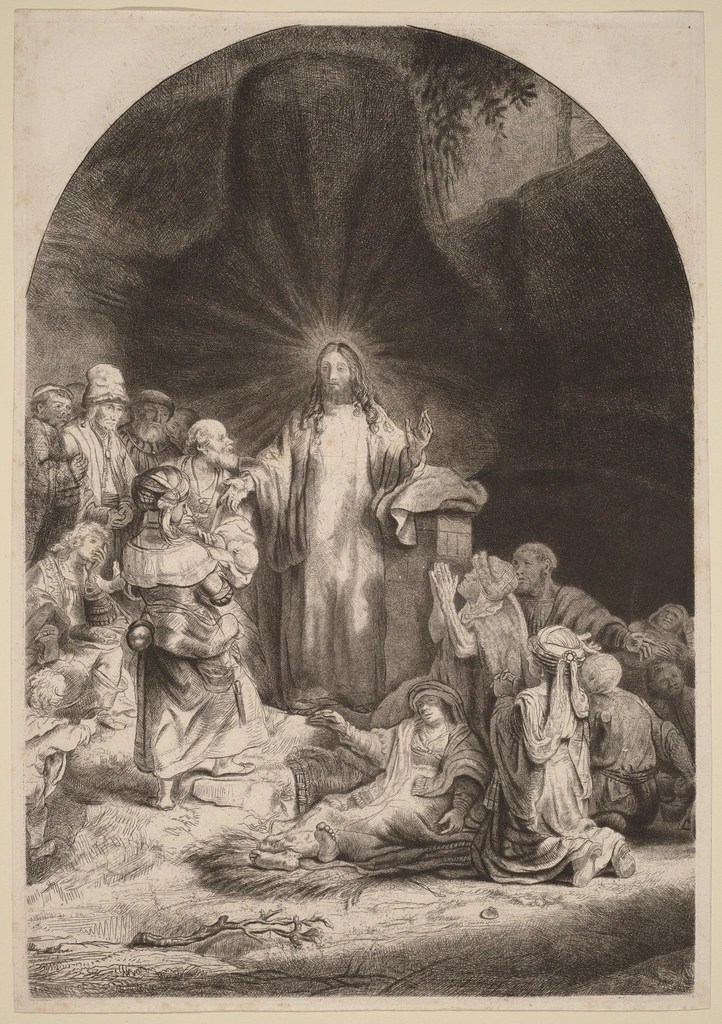
    Christ Preaching / Healing

    National Gallery of Art
    Licensed under CC-CC0 1.0
    Recovery-of-sight-to-the-blind

    Recovery of sight to the blind

    How could Stripling be anything but gobsmacked?

    Nevertheless, as a professional he was certainly aware that a find of this magnitude required cautious, meticulous handling.

    He was a renowned archaeologist with decades of Holy Land field experience at preeminent sites.

    The profound nature of this find earmarked it. Surely it would cause an immense stir. On multiple levels intense international scrutiny lay on the horizon journalistically, scholarly, and politically.

    This needed to be handled right!

    Photo by Pixabay on Pexels.com

    But life threw Stripling a curve ball mandating a different approach.

    Concurrently, speculation circulated about the tablet photo that Stripling had earlier emailed to an associate. Forwarded recipients began generating noise online. Some pondered the outer tablet’s glyphs. Could they be some sort of script?

    Alarmed that others might lay academic claim to the tablet’s message, Stripling deemed it necessary to go public quickly. Otherwise, he risked forfeiting his scholarly stake as the tablet’s lead discovering archaeologist.2

    A press conference ensued in March 2022. At it Stripling and his team announced the following:

    • The lead defixio found by his team contained archaic proto-alphabetic script;
    • From around forty letters present, the Hebrew name for God appears twice and the word “cursed” ten times;
    • The late bronze age dating of the tablet makes it two to four hundred years older than any other known Hebrew text.
    • A possible reading relates a chiasmus, a literary form employed extensively in both the Old and New Testaments.
    • That proposed reading was:

    Cursed, cursed, cursed-cursed by the God YHW
    You will die cursed.
    Cursed you will surely die.
    Cursed by YHW-cursed, cursed, cursed!

    (Mt. Ebal “Curse Tablet” Full Press Conference, YouTube, Appian Media, March 29, 2022)

    Afterwards, public elation and scorn followed.

    Why scorn?

    This our next post addresses.

    Next post: “A Firestorm!”

    1. L. J. Hooge, “The Favorable Year of the Lord”, Biblical Chiasmus, Discovering and Exploring Reverse Parallelism in the Bible, https://biblicalchiasmus.wordpress.com/2014/08/03/luke-416b-20-the-favorable-year-of-the-lord/, August 3, 2014, ↩︎
    2. Breaking News “Mt. Ebal Curse Tablet Peer Review Complete”, Appian Media, In Roads, youtube.com/watch?v=_15tYO4hqJS, (20:39), May 12, 2023. ↩︎
    One-Time
    Monthly
    Yearly

    Make a one-time donation

    Make a monthly donation

    Make a yearly donation

    Choose an amount

    $5.00
    $15.00
    $100.00
    $5.00
    $15.00
    $100.00
    $5.00
    $15.00
    $100.00

    Or enter a custom amount

    $

    Your contribution is appreciated.

    Your contribution is appreciated.

    Your contribution is appreciated.

    DonateDonate monthlyDonate yearly
    Dinner-bouquet-option
    Dinner-bouquet-option
  • A Firestorm!

    A Firestorm!

    History VIII

    [Ebal’s Plea, fourteen of thirty]

    Why the intense scorn about Stripling’s pronouncement?

    Accepted archaeological procedure discouraged reporting a find until after it had completed peer review by the appropriate scholarly community. This protocol Stripling admittedly violated.

    About this he offered the explanation given in the previous post. In sum, he feared losing his intellectual stake in his find. He thus felt compelled, despite protocol, to release publicly what he had discovered about his artifact’s nature.

    Unfortunately, this happened in the wake of another biblical archaeological scandal, one that caused heightened sensitivity about scholarly procedures.1

    Israel Antiquities Authority had prematurely publicized their analysis of a Tel Lachish pottery sherd. The news release heralded it as the first found in Israel referencing King Darius the Great of Persia 2500 years ago.2

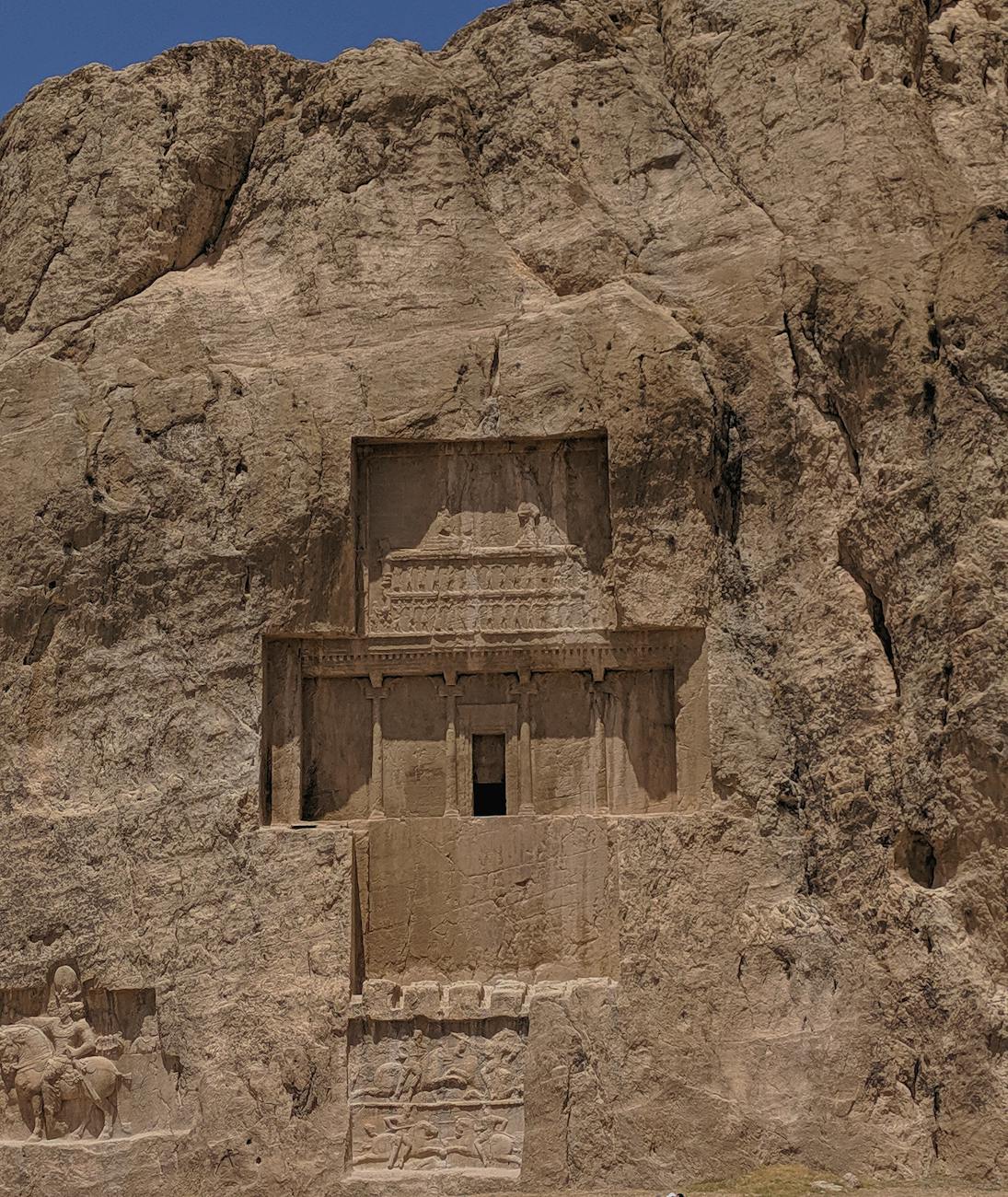
    Tomb-of-Darius-the-Great

    The tomb of Darius the Great (550 B.C. to 486 B.C.) at Naqsh-e-Rustam

    The site lies northwest of ancient Persepolis, 30 miles (50 km) northeast of modern Shiraz, Iran.

    Photo by Nursel Kaya on Pexels.com
    Ruins-of-Persepolis

    Ruins of Persepolis, a city founded by Darius the Great


    Photo by Masih Shahbazi on Pexels.com

    Shortly afterwards, however, a researcher specializing in ancient Aramaic confessed that she had written the inscription.

    While visiting the site with her students, she had demonstrated the ancient script on a pottery sherd lying about. Once finishing her lesson, she had tossed it aside, not intending any malice.3

    What she had demonstrated turned out to be quite accurate–accurate enough to fool many renowned scholars.

    Great embarrassment ensued within several prestigious academic communities.

    Contemporaneously into that setting Stripling’s dilemma unhappily landed.4

    Many scholars were outraged. Stripling publicly declared a history challenging find underpinned by photos. Not only had he not navigated peer review. He had not released his photos for academic scrutiny. Without them scholars were handcuffed in vetting the allied fantastic claims.

    A firestorm had been lit!

    Next post: “Peer Review”

    1. Melainie Kidman, Academic article on controversial 3,200-year old ‘curse tablet’ fails to sway experts, The Times of Israel, 14 May 2023, paragraph 32, 33, and 34, https://www.timesofisrael.com/academic-article-on-controversial-3200-year-old-curse-tablet-fails-to-sway-experts/, (7 October 2024). ↩︎
    2. Breaking News, “Mt. Ebal Curse Tablet Peer Review Complete”, Appian Media, In Roads, youtube.com/watch?v=_15tYO4hqJS, (33:35), May 12, 2023. ↩︎
    3. Melainie Kidman, Academic article on controversial 3,200-year old ‘curse tablet’ fails to sway experts, The Times of Israel, 14 May 2023, paragraph 32, 33, and 34, https://www.timesofisrael.com/academic-article-on-controversial-3200-year-old-curse-tablet-fails-to-sway-experts/, (7 October 2024). ↩︎
    4. Id. ↩︎
    One-Time
    Monthly
    Yearly

    Make a one-time donation

    Make a monthly donation

    Make a yearly donation

    Choose an amount

    $5.00
    $15.00
    $100.00
    $5.00
    $15.00
    $100.00
    $5.00
    $15.00
    $100.00

    Or enter a custom amount

    $

    Your contribution is appreciated.

    Your contribution is appreciated.

    Your contribution is appreciated.

    DonateDonate monthlyDonate yearly
    Dinner-bouquet-option
    Dinner-bouquet-option
  • Peer Review

    Peer Review

    History IX

    [Ebal’s Plea, fifteen of thirty]

    Despite the brouhaha Stripling pressed on.

    The next step was to compile the data–archaeological, digital, photographic, and epigraphic into a paper and then submit that to a peer review journal.

    Which journal should they petition?

    They chose Heritage Science. Why? They wanted one esteemed especially by the scientific community. Interpretation of this archaeological find required complex computer and tomographic analysis in addition to archaeological and epigraphic expertise. A respected scientific journal they felt most appropriate.1

    Stripling’s team wrote their paper and submitted it to the journal. It in turn approached three specialist. These it perceived of appropriate backgrounds to review the paper. They assessed its credibility, identified where it needed strengthening, and determined questions that needed answering, etc.

    Eventually, Stripling received the reviewers’ initial verdicts.

    Two of these gave glowing approval. The other reflected considerable disdain and, in fact, vaguely suggested possible criminality.

    All three, however, praised the quality of the writing and scholarship. They all had numerous questions and requests for modifications or clarifications–in total seventy-two.

    Stripling and his team responded.

    Afterwards, the glowing remarks from the two previously favorable reviewers continued. They highly recommended that the journal publish the edited paper.

    After receiving the Stripling team’s responses, the negativity of the dissenting panel member softened markedly. Likely this resulted from legal clarifications regarding documents from relevant authorities–Palestinian and Israeli. He or she, in fact, in the end recommended the paper’s publication. All three reviewers assessed the paper as warranting further examination by the scholarly community.2

    (As an aside, Heritage Science has not released, as of this writing, the names of the peer reviewers they assigned.)

    The journal decided to publish the Stripling team’s article.

    That publication we soon investigate thoroughly.

    But first we need to put events into some perspective.

    Photo by Ketut Subiyanto on Pexels.com

    Next post: “Troubled Waters”

    1. Melainie Kidman, Academic article on controversial 3,200-year old ‘curse tablet’ fails to sway experts, The Times of Israel, 14 May 2023, paragraphs 3 and 5, https://www.timesofisrael.com/academic-article-on-controversial-3200-year-old-curse-tablet-fails-to-sway-experts/, (7 October 2024). ↩︎
    2. Id., paragraph 5. ↩︎
    One-Time
    Monthly
    Yearly

    Make a one-time donation

    Make a monthly donation

    Make a yearly donation

    Choose an amount

    $5.00
    $15.00
    $100.00
    $5.00
    $15.00
    $100.00
    $5.00
    $15.00
    $100.00

    Or enter a custom amount

    $

    Your contribution is appreciated.

    Your contribution is appreciated.

    Your contribution is appreciated.

    DonateDonate monthlyDonate yearly
    Dinner-bouquet-option
    Dinner-bouquet-option
  • Troubled Waters

    Troubled Waters

    History X

    [Ebal’s Plea, sixteen of thirty]

    After the press conference, twelve months passed. Then on 12 May 2023, three and a half years from the tablet’s discovery, Heritage Science finally published Stripling’s article.

    How was this received?

    Some were elated, some disappointed, others disgusted.

    In succeeding posts I scrutinize the article, its photos, and various responses.

    Here though I recall the context of these days. Significant currents darkened the times from the finding of the tablet through and beyond publication.

    Of these three particularly warrant recounting.

    Pandemic

    In December 2019, as we have seen, the lead tablet landed in Frankie Synder’s wet-sifting tray.

    In that same month ominous events brewed in another part of the world.

    The Museum of the Center for Disease Control and Prevention (CDC) displays this December 12, 2019 log entry:

    “A cluster of patients in China’s Hubei Province, in the city of Wuhan, begin to experience the symptoms of an atypical pneumonia-like illness that does not respond well to standard treatments.”

    Subsequently, COVID-19 leads to a two year Stripling hiatus from work in Israel.

    Local Perils

    On January 24, 2023 JNS, Jewish News Syndicate, reported this protest by the Israel Defense Minister, Yoav Gallant:

    “Israel will not allow Palestinians to damage a major archaeological site located deep in the biblical heartland of Samaria, one that is revered by millions of Jews and Christians as the location where Joshua built an altar.”

    This statement he issued in response to a Palestinian news report about planned construction in the vicinity of the Ebal altar site.

    In a letter to the Palestinian Authority Gallant further directed:

    “…it has been clarified…to the Palestinian Authority that we will not allow any damage to the altar, which has been defined as an archaeological site of historic cultural and religious significance.”

    Events past and present underscored the necessity of Gallant’s manifesto.These include:

    • In 2021 a Palestinian road crew damaged the outer “footprint” enclosing the Ebal altar.
    • In Nablus during the last two decades several alarming incidents transpired at the tomb alleged to be that of Joseph, son of Jacob, second in command to Egypt’s Pharaoh. This purported holy site, venerated by Jews and Christians, was defaced, fire bombed, and otherwise purposely damaged. (Note that the actual location of Joseph’s tomb near ancient Shechem is a matter of speculation rather than exact historical or archaeological evidence.)
    • Resultantly, heavily armed military units started escorting pilgrims to the area. This began after the Oslo Accords designated the region as “Area B”, one under the dual authority of the Palestinian civil government and the Israeli military.

    From this last bullet one can readily perceive what might be the sentiments among some locals. Especially aggrieved likely would be those descending from ancestors who for generations have resided in the region.

    Of what these Israeli military escorts consist I cannot relate. If, however, they resemble an American equivalent I envision vehicles armed with 50 calibers, 240 Bravos, 249 SAWS, or equivalent menacing weaponry. Infantrymen clad in full armor climbing to elevated positions with their M4’s acquitted with zeroed mechanical and electronic sights. A defensive cordon once established restricts entrance and exit of the area.

    If some power not representing me executed such near my home, I can well imagine the caustic feelings that would swirl within!

    On the other hand, one also can perceive the necessity of these escort measures.

    The bottom line is this: Embitterment among some locals one must factor when evaluating the security of the Mt. Ebal altar.

    October 7, 2023

    During my life, little, if anything, equates the ghastly evil of Hamas’ cowardly massacre of innocents on this date.

    Photo by Pavel Danilyuk on Pexels.com

    Whether one labels Israel’s response “hard”, “harsh” or “brutal” is not the question. Hard, harsh and brutal can fall well within the acceptable context of the laws of war.

    The real questions are whether war crimes have been perpetrated. World authorities appropriately should evaluate what lands fair and foul. Later individual soldiers, units, and leaders where appropriate should be held accountable.

    Nevertheless, while there can be no excuse for violations of the law of war, one should not forget the horror which initially precipitated the resulting conflagration.

    From it dominoes have since fallen, ones that have shaken much of the world.

    For our purposes this we must remember: Mt. Ebal lies proximate to the eye of this tumult.

    All of this having been noted, let us now bridge these troubled water.

    In the next post I begin my review of the Stripling team’s Heritage Science article.

    Next post: “Stripling’s Article”

    One-Time
    Monthly
    Yearly

    Make a one-time donation

    Make a monthly donation

    Make a yearly donation

    Choose an amount

    $5.00
    $15.00
    $100.00
    $5.00
    $15.00
    $100.00
    $5.00
    $15.00
    $100.00

    Or enter a custom amount

    $

    Your contribution is appreciated.

    Your contribution is appreciated.

    Your contribution is appreciated.

    DonateDonate monthlyDonate yearly


    Dinner-bouquet-option
    Dinner-bouquet-option
  • Stripling’s Article

    Stripling’s Article

    Photo Study I

    [Ebal’s Plea, seventeen of thirty]

    As already noted Heritage Science finally published the Stripling team’s peer reviewed article on 12 May 2023. That is twelve months after the press conference and almost three and a half years after the tablet’s discovery.

    Much of the world, of course, breathlessly anticipated one feature.


    Photo by Annushka Ahuja on Pexels.com

    Likely you also think, “Show us the photos, please!”

    Before I do, however, there are four important observations to make.

    Observation One

    The article’s conclusion states the core of the Stripling team’s argument about the Curse Tablet. With it they poise a stake into the heart of much scholarly accepted history including that associated with the documentary hypothesis.


    Licensed under CC-CC0 1.0

    The other parts of the article’s body state facts and ideas considered. Only with the concluding core, however, does Stripling dig in his boots. It is there that he states what about the tablet emphatically belies the idea that Moses could not have authored the Torah.

    The Stripling article, for example, credits team member Professor Gershon Galil, Director of the Institute of Biblical and Ancient History at the University of Haifa, with deciphering most of the interior tablet. His premises it fully elucidates.

    Yet, note this crucial point.

    The Stripling article’s conclusion leaves many, if not most, of Galil’s premises orphaned. His accounting of the number of inner tablet letters is neither adopted nor rejected. The same applies for his full chiasmus interpretation.

    The article acknowledge many of Galil’s premises. It cites his increased letter count of forty declared at the press conference to forty-eight at publication. Consequently, it also acknowledges his slightly modified chiasmus interpretation.

    Despite this, the article’s conclusion does not embrace these premises.

    Instead, it concludes that the tablet’s inscription challenges history for greatly truncated reasons. Those reasons include these:

    • The tablet displays in proto-alphabetic script the word “YHW”, the name of the Hebrew God;
    • From this we know that a Hebrew inscribed the tablet sometime before 1250 B. C.;
    • Additionally, the tablet contains the word “ARWR” or “cursed”;
    • These tablet words recall events described in Deuteronomy and The Book of Joshua;
    • Resultantly, this artifact challenges long standing historical paradigm.1

    The note immediately following the conclusion is telling. It addresses Galil’s allegiance to his premises. It announces that, in effect, he desires to “plant his intellectual flag” on those.2

    A more conservative approach, however, Stripling’s conclusion adopted.

    Following publication, Galil and Stripling amicably ended their team affiliation.

    What are the consequences for our study?

    For us Stripling has simplified our original question, “Is there anything to see here?”

    Stripling’s team answers with a resounding, “Yes, see the two words on the inside of this artifact–the ancient Hebrew equivalents of “cursed” and “Yahweh”. They alone with the tablet’s ambiance challenge world history!”

    Consequentially, that makes our photo study easier.

    From Stripling’s perspective we can focus primarily on photos relevant to two words. The other words of Galil’s chiasmus while important are not crucial to Stripling’s conclusion.

    Observation Two

    Our purpose is not only to review the Stripling article and its photos. We seek also to study an allegedly refuting article.

    That article considers closely the alleged Hebrew words for “cursed” and “Yahweh”.

    Additionally, it makes relevant arguments involving two individual tablet characters and the Hebrew word for “You will die!” These I also include in our study.

    Observation Three

    In the proto-alphabetic era writing often traced a boustrophedon path. Then there was no standardized script order. Instead, letters tracked as oxen plow. They follow left to right, up to down, diagonally, etc. Another example may be the various paths that an inexperienced pre-teen might push a lawnmower over your yard or maybe someone much older quite inebriated.

    Photo by Mehmet Turgut Kirkgoz on Pexels.com

    Observation Four

    Many of these inscriptions are quite small. How small? Some could fit inside of a wedding band or even on the side of a penny.

    Some-tablet-letters-would-fit inside-a-wedding-band

    A wedding band could house tablet letters.

    Photo by Ku00e1ssia Melo on Pexels.com

    Photos!

    Ready now for some photos?

    “Cursed! “, our next post declares.

    Still ready?

    Next post: “ARWR,” Cursed!

    1. Stripling, S., Galil, G., Kumpova, I. et al. “You are Cursed by the God YHW:” an early Hebrew inscription from Mt. Ebal. Herit Sci 11, 105 (2023), paragraph 71. https://doi.org/10.1186/s40494-023-00920-9 ↩︎
    2. Id. at paragraph 72. ↩︎
    One-Time
    Monthly
    Yearly

    Make a one-time donation

    Make a monthly donation

    Make a yearly donation

    Choose an amount

    $5.00
    $15.00
    $100.00
    $5.00
    $15.00
    $100.00
    $5.00
    $15.00
    $100.00

    Or enter a custom amount

    $

    Your contribution is appreciated.

    Your contribution is appreciated.

    Your contribution is appreciated.

    DonateDonate monthlyDonate yearly

    Dinner-bouquet-option
    Dinner-bouquet-option
  • “ARWR,” CURSED!

    “ARWR,” CURSED!

    Photo Study II

    [Ebal’s Plea eighteen of thirty]

    Our photo study begins.

    From tomographic scans revealing an inside face of the tablet, we first assess the presence of an intimidating word. That is “ARWR” or “cursed”, one of the two words fundamental to Stripling’s conclusions.

    In the Scientific Heritage article Gershon Galil identified this word six times on the inner tablet. Of these we will, for brevity, focus on only one.

    The article’s Figure 7 shows Galil’s drawings of the tablet’s inner symbols. (Henceforth, click on underscored items to see referenced material.)

    You see our word on the right annotated drawing. It is numbers 25 through 28.

    “ARWR’s” proto-alphabetic spelling is “Aleph”, Resh”, “Wah”, and “Resh”.

    Here is what they look like:


    “Aleph”

    Photo by Steward Masweneng on Pexels.com
    "Resh" with a tail resembles a kite

    “‘Resh” with a tail resembles a kite..

    by Nilo Velez is licensed under CC-CC0 1.0
    • “Aleph” looks like an ox’s skull;
    • “Resh” often resembles a rhombus. Sometimes, though, it has a tail making it resemble a kite.
    • “Waw” and “Resh” can be easily confused. But “Waw” replicates a mace, an ancient weapon consisting of a heavy object fastened to a handle used to bash an enemy’s skull, bones, and armor.

    Warrior armed with a mace, the symbol for “Waw”

    Photo by MikeGz on Pexels.com

    Tables 2 through 9 show tomographic scans of all of the tablet’s letters. Beside each appears the Stripling team’s drawing replicating it.

    To study our “ARWR” do as follows:

    Importantly note one thing about the photos and drawings of Tables 2-9. These mirror the drawings of Figure 7. In other words, one must be viewed in a mirror to correspond with the other’s alignment. Otherwise they appear backwards.

    Now see Table 10. It reveals several photos of the tablet’s “Outer B”, that is, the tablet’s bottom.

    Photo # 8 of Table 10 shows a bottom protrusion. It Stripling’s team identifies as a negative of our first “Resh”–Figure 7 #26 and Table 8 (2 a and b).

    Do you agree?

    Note that the photo of our “resh” slants right and the photo of the negative slants left. Is not this what one would expect of a negative?

    Guess what?

    This concludes my presentation regarding our first word, “ARWR”/”Cursed”.

    Surely you found it easy enough.

    Nevertheless, ponder this post closely.

    Read it several times while also viewing the linked photos and drawings. Let all of it sink in!

    In our next post, we turn to the supreme name, that of the Hebrew God.

    Next post: “YHW,” Yahweh

    One-Time
    Monthly
    Yearly

    Make a one-time donation

    Make a monthly donation

    Make a yearly donation

    Choose an amount

    $5.00
    $15.00
    $100.00
    $5.00
    $15.00
    $100.00
    $5.00
    $15.00
    $100.00

    Or enter a custom amount

    $

    Your contribution is appreciated.

    Your contribution is appreciated.

    Your contribution is appreciated.

    DonateDonate monthlyDonate yearly

    Dinner-bouquet-option
    Dinner-bouquet-option
  • “YHW,” Yahweh

    “YHW,” Yahweh

    Photo Study III

    [Ebal’s Plea, nineteen of thirty]

    “ARWR”, that is “cursed,” I reviewed in my last post.

    I turn now to the divine name–“Yahweh”.

    Galil alleges that this appears twice inside the tablet.

    For simplicity only one of those I discuss here. That one I call “Upper Yahweh” simply because lies near the tablet’s top.

    Galil’s annotated Table 7 drawing labels it as #’s: 11, 12, and 13.

    The phonetic spelling is thus “Yod,” “He,” “Waw”.

    M- beach-towel's-Egyptian-hieroglyphic-immulates-proto-alphabetic-"Yod".

    My beach towel’s Egyptian hieroglyphic immulates proto-alphabetic “Yod”.
    Photo by Pixabay on Pexels.com

    Here is what they look like:

    The photos of “He”, Figure 7’s #12 at Table 3, (1a & b), and “Waw”, Figure 7’s #13 at Table 4 (1a & b), are distinct.

    “Yod”, Figure 7’s #11 at Table 5 (1a & b), however, is faint.

    Other views include:

    • Stripling’s Figure 4 showing:
      • the hand lies under the hips of “Heh”;
      • the thumb is under and intertwined with “Taw”;
      • the wrist and forearm run below the left leg of “Heh”; and
      • the upper arm extends at a right angle from “Heh’s” left ankle”.
    • Haughwout’s Figure 5 gives a mirrored view.

    Importantly, study, too,Table 10, photo # 3. The Stripling team argues that this depicts the bottom bulge of this “Yod”.

    Do you agree?

    If you do, this has major consequences–ones to which even Haughwout, the sceptic, agrees. It is this: mirror bulges on the bottom reflect something actually existing on the inner surface of the tablet. The object does not result from a photographic lighting or shading issue. It also nullifies the object resulting from a computer glitch.

    That finishes my review of the two words which Stripling declares compel his conclusions–“ARWR” and “YHW.”

    What did I tell you? That was not hard.

    However, again, read these sections a couple of times. Let the photos really sink in.

    With the following post I complete an initial dive into the tablet’s photos. There I look at a word and two other letters relevant to Haughwout’s arguments.

    Later, however, l tread deeper into the words and symbols mentioned above as I evaluate Haughwout’s analysis.

    Next post: “You Will Die!”

    One-Time
    Monthly
    Yearly

    Make a one-time donation

    Make a monthly donation

    Make a yearly donation

    Choose an amount

    $5.00
    $15.00
    $100.00
    $5.00
    $15.00
    $100.00
    $5.00
    $15.00
    $100.00

    Or enter a custom amount

    $

    Your contribution is appreciated.

    Your contribution is appreciated.

    Your contribution is appreciated.

    DonateDonate monthlyDonate yearly
    Dinner-bouquet-option /
    Dinner-bouquet-option
  • You will Die!

    You will Die!

    Photo Study IV

    [Ebal’s Plea, twenty of thirty]

    We look now at a new word and two solo letters relevant to a critic’s arguments.

    Here I introduce them somewhat superficially. Later, I delve deeper when I discuss that scholar’s views.

    Our new word is “TMT”, meaning “You will die!”

    Galil depicts it in Figure 7 as #’s: 18, 19, and 20.

    The phonetic spelling is “Taw”, “Mem”, “Taw.”

    Here is how they look:

    • “Taw” looks like an “X” or a cross and with small tick marks it resembles crossed hockey sticks or swords.; and
    • “Mem” looks like our “M”, wavy lines, or rolling waves.

    Photo by Alexander Nadrilyanski on Pexels.com

    Photo by David Cruz asenjo on Pexels.com

    To see photos and drawings of each click:

    This concludes our proto-alphabetic vocabulary survey.

    Our lexicon now includes YHW, ARUR, and TMT, three easy words–three heavy notions.

    I now turn to our survey’s two solo letters. For simplicity these I consider independent from the words they help form.

    The first I call “Lovely Aleph”. See it as Figure 7’s #21 and as Table 2’s (3a & b).

    All I will say currently is, “What a beauty!”.

    The second letter I call “Dancing He” because it appears to exude rhythmic motion on the lower tablet.

    View it as Figure 7’s #3 and in Table 3 (4a & b).

    See a remarkable negative of it in Table 10, #2.

    We can now declare a wrap on our initial alphabet and word canvas.

    Consider our script count comprises only seven unique letters–“Aleph”, “He”, “Mem”, “Resh”, “Taw”, “Waw”, and “Yod”.

    At first tackling ancient inscriptions of thirty-five hundred years ago possibly intimidated. In retrospect you likely see them as relatively straight forward.

    As an aside, consider that in short order first graders learn all 26 letters of our script. Plus they quickly master a corral of words from their readers. What a wonder!


    Photo by Pixabay on Pexels.com

    Nevertheless, rather than taxing, I trust that you found our exercise enlightening and maybe fun.

    But we are not yet done. We still must review the substance of voices opposing Stripling’s claims.

    This too I will attempt to keep sufferable, if not entertaining.

    Let us get started!

    Next post: “A Refutation?”

    One-Time
    Monthly
    Yearly

    Make a one-time donation

    Make a monthly donation

    Make a yearly donation

    Choose an amount

    $5.00
    $15.00
    $100.00
    $5.00
    $15.00
    $100.00
    $5.00
    $15.00
    $100.00

    Or enter a custom amount

    $

    Your contribution is appreciated.

    Your contribution is appreciated.

    Your contribution is appreciated.

    DonateDonate monthlyDonate yearly
    Dinner-bouquet-option
    Dinner-bouquet-option