Tag: ancient-history

  • A Mysterious Tease

    A Mysterious Tease

    Introduction II

    [Ebal’s Plea, six of thirty-two]

    The controversies surrounding a recent archaeological find should matter to you. This brief explains why.

    When prominent experts allege that a series of photographs challenge long established precepts of world history while others claim, “There is nothing to see here!”, you might think, “Show me the photos! Decide myself, I will!”1

    Photos of a defixio, a curse tablet found in Israel in 2019, present such a quandary. Because the tablet cannot be opened without crumbling, an archaeologist employed tomographic scanning to peer inside. Reportedly, this revealed proto-alphabetic script, a claim that given the archaeological context potentially challenges long held scholarly understandings of world history.

    When, however, the archaeologist publicly released photos of the scans, some experts denied that they showed anything of significance.

    My goal here is two fold. I want to assist you in reaching a well informed understanding of the tablet. Further, I hope to encourage you to act on what you learn.

    But beware! Conversing intelligently about the photos requires more than a mere viewing. To most, other than a few specialized experts, they appear utterly mysterious.2

    Yet, lay persons with some assistance can make well considered observations regarding them.

    To do so they need three things. First, they need the history. Then they need an opportunity for efficient study. Lastly, and most importantly, they need enthusiasm. That is, enthusiasm for the history and for probing the evidence.

    Below, I relate the history.

    Furthermore, I guide an efficient online study of the photos.

    But what about the enthusiasm? 

    Possibly viewing a 30 second video might spark something. It shows, of all things, a technological process being applied to a piece of metal.

    Wow! How thought provoking and intriguing can that be?

    Well, take a look.

    Click here. 3

    Now just watch.

    Glance momentarily at the video’s millimeter ticker in the top left corner. When it gets to .20 mm, focus particularly on the object’s top right. 

    Alternatively, watch the red bar on the right graph. When it approaches the major breach, focus on your screen’s top right.

    It helps also to move your cursor over the top right and click. This expands the image.    

    Do you see anything?

    Maybe you perceive only happenstance cracks, dents and scratches on a very old piece of lead.

    But, what about a stick man, a mace, some crossed hockey sticks? Maybe you detect some squiggly lines, a bent arm with an open hand, and a couple of ox skulls?

    Ox-head

    Ox head
    Crossed hockey sticks

    Crossed hockey sticks

    Photo by Tony Schnagl on Pexels.com
    A-bent-arm-with-open-hand

    A bent arm with open hand

    Photo by Daria Liudnaya on Pexels.com
    A-role-play-Viking-warrior-wielding-a-mace

    A role play Viking warrior wielding a mace


    Photo by Fernando Cortu00e9s on Pexels.com

    A canon of human history may hang upon which of these assessments is correct.

    Regardless of what you see, this viewing likely piques some wonder. Possibly questions arise like:

    • What is the story here?
    • How could that story impact history?
    • Why should I or others care?

    This memorandum seeks to prepare you for these and other issues.

    Hopefully at its end you can intelligently scrutinize whether the Mt. Ebal Curse Tablet harbors proto-alphabetic script or even ancient Hebrew words . Plus you can ponder whether it challenges scholarly world history.

    In sum, then you can knowingly engage with me whether:

    • There is anything to see here; and
    • If so, so what?”

    Next Post: “The Paradigm”

    1. Melanie Lidman, Academic article on controversial 3,200-year old ‘curse tablet’ fails to sway experts, The Times of Israel,14 May 2023, paragraph 37,  https://www.timesofisrael.com/academic-article-on-controversial-3200-year-old-curse-tablet-fails-to-sway-experts/, (7 October 2024).
      and
      Sean McDowell, Oldest Hebrew Writing? Mt. Ebal Curse Tablet (Revisited) m.youtube.com>watch, (33:59), 11 May 2023. ↩︎
    2. Id. 4:51 and 30:54; and
      Melanie Lidman, Academic article on controversial 3,200-year old ‘curse tablet’ fails to sway experts, The Times of Israel, 14 May 2023, paragraph 15,  https://www.timesofisrael.com/academic-article-on-controversial-3200-year-old-curse-tablet-fails-to-sway-experts/, (7 October 2024).  ↩︎
    3. Scott Stripling, “You are Cursed by the God YHW,” an early Hebrew inscription from Mt. Ebal,  Heritage Science, 12 May 2023,  Supplementary Information, Additional file 1, https://heritagesciencejournal.springeropen.com/articles/10.1186/s40494-023-00920-9#Fig7, (7 October 2023). ↩︎
    One-Time
    Monthly
    Yearly

    Make a one-time donation

    Make a monthly donation

    Make a yearly donation

    Choose an amount

    $5.00
    $15.00
    $100.00
    $5.00
    $15.00
    $100.00
    $5.00
    $15.00
    $100.00

    Or enter a custom amount

    $

    Your contribution is appreciated.

    Your contribution is appreciated.

    Your contribution is appreciated.

    DonateDonate monthlyDonate yearly

    Dinner-bouquet-option

    Lagniappe Joshua’s Altar link / Patterns of Evidence, Two
  • A Defixio?

    A Defixio?

    History V

    [Ebal’s Plea, eleven of thirty-two]

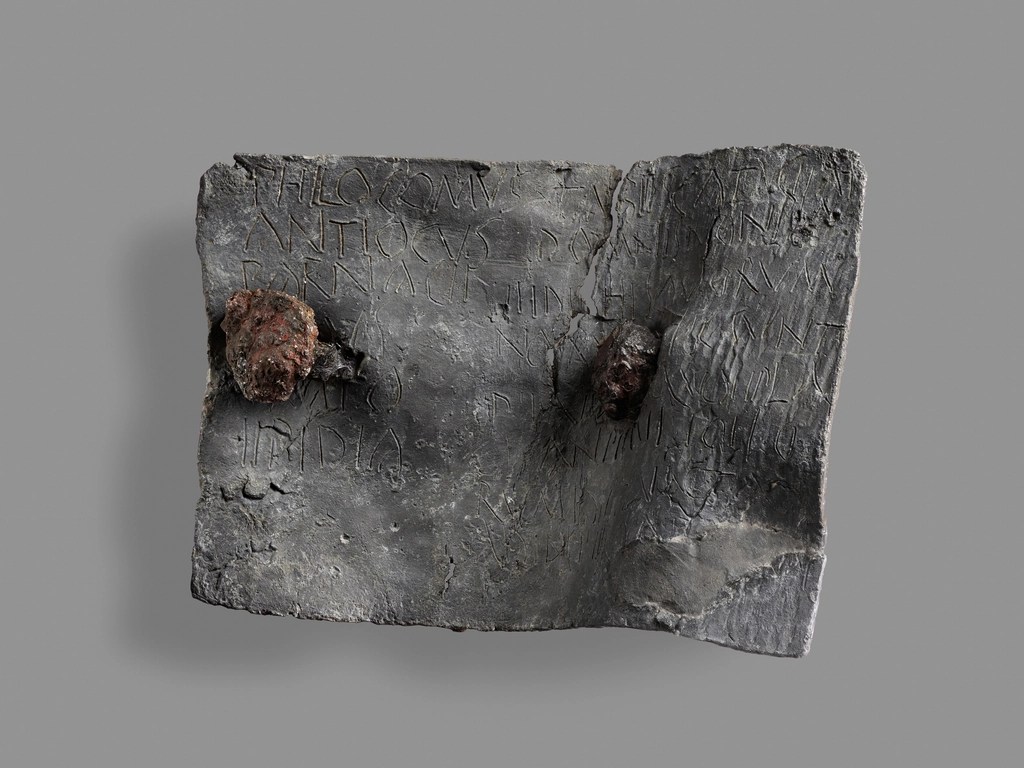
    What landed in Snyder’s tray she quickly identified as a defixio, an ancient curse tablet.1

    Likewise Stripling and many of their experienced associates concurred. Why? These they had often seen. From the Greco-Roman world they are relatively common archaeological finds.2

    Nevertheless, they also recognized the irony of finding one on Deuteronomy’s “Mountain of Curses.”

    Stripling immediately recognized too that at this site a defixio posed a problem. Zertal had dated the altar site from 1400 to 1250 B.C. This he had concluded from careful pottery analysis. Contrarily, Stripling knew that defixios commonly dated to the Greek and Roman eras, primarily fourth and third centuries B. C. forward. A defixio seemed inappropriate by around a millennium.3

    He, however, was aware of a possible precedent.

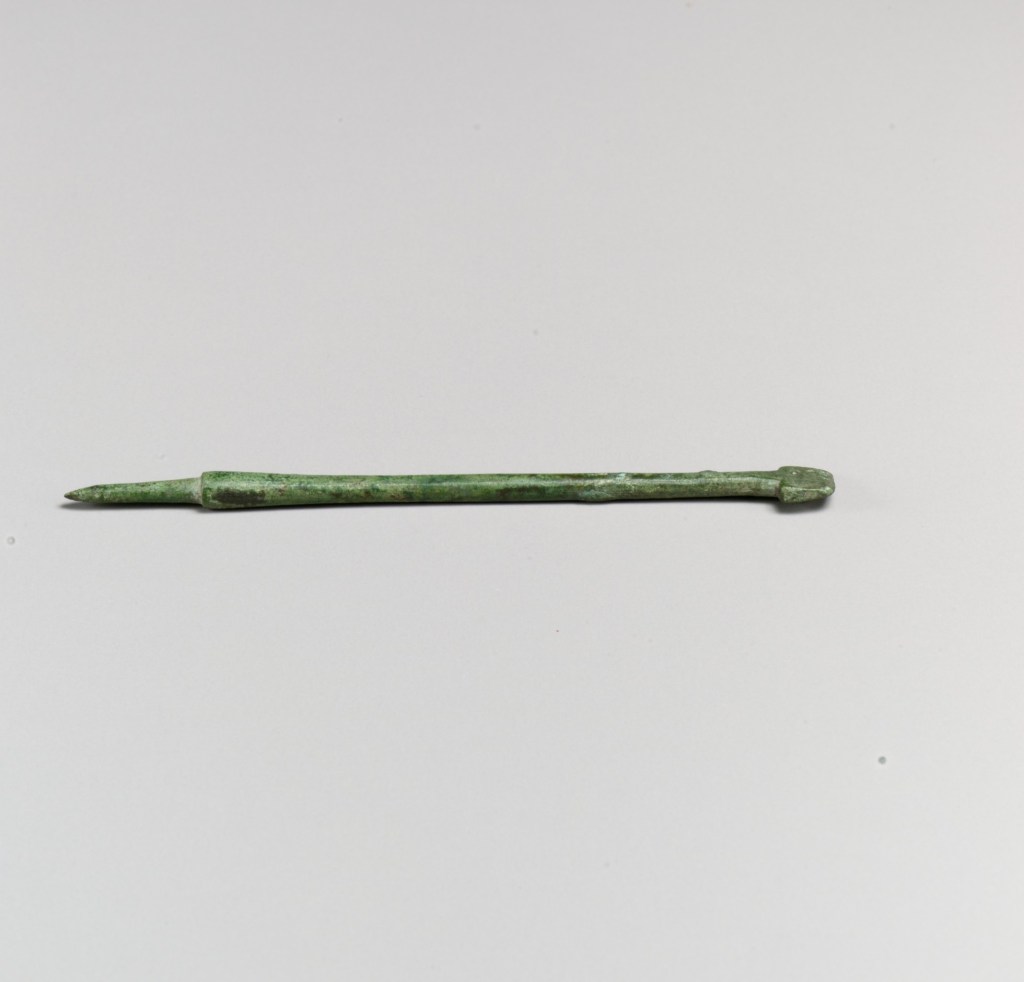
    The Book of Job speaks of Job’s desire to write on lead with an iron pen (Job 19:24).

    That book many scholars peg as the oldest biblical text. One reason is that it does not allude to the Law of Moses.4


    Photo by Pixabay on Pexels.com

    Maybe the defixio concept sprang from that or a similar exceedingly ancient tradition.

    Might other clues provide insights about this enigma? This our next post explores.

    Next post: “An Inscription!”

    1. Associates for Biblical Research, “ABR Researchers Discover the Oldest Known Proto-Hebrew Inscription Ever Found”, biblicarchaeology.org/ current-events-list/, Youtube, (06:24), March 24, 2022. ↩︎
    2. Sean McDowell, Oldest Hebrew Writing? Mt. Ebal Curse Tablet (Revisited) m.youtube.com>watch, (42:34-43:44), 11 May 2023; and
      Associates for Biblical Research, “ABR Researchers Discover the Oldest Known Proto-Hebrew Inscription Ever Found:, biblicarchaeology.org/current-events-list/, Youtube, (11:40; 19:25), March 24, 2022. ↩︎
    3. Breaking News “Mt Ebal Curse Tablet Peer Review Complete”, Appian Media, In Roads, youtube.com/watch?v=_15tYO4hqJS, (26:08), May 12, 2023. ↩︎
    4. Id. (10:30). ↩︎
    One-Time
    Monthly
    Yearly

    Make a one-time donation

    Make a monthly donation

    Make a yearly donation

    Choose an amount

    $5.00
    $15.00
    $100.00
    $5.00
    $15.00
    $100.00
    $5.00
    $15.00
    $100.00

    Or enter a custom amount

    $

    Your contribution is appreciated.

    Your contribution is appreciated.

    Your contribution is appreciated.

    DonateDonate monthlyDonate yearly
    Dinner-bouquet-option
    Lagniappe Mt. Ebal tablet link / What your pastor didn’t tell you!
    Dinner-bouquet-option


    Lagniappe Curse Tablet link / Ancient Egypt and the Bible, Joshua’s Altar
  • An Inscription!

    An Inscription!

    History VI

    [Ebal’s Plea, twelve of thirty-two]

    Although Stripling realized that glyphs adorned the tablet’s outside, he was most intrigued by what may lie within. There as with other defixios someone likely inscribed a curse.

    Usually this was of a trivial nature, often something like, “She stole my boyfriend, may all of her hair fall out!”1

    Stripling and a colleague therefore gingerly attempted to open it. The lead of one corner, brittle with age, however, crumbled. Further efforts they thus ceased.

    Fortunately, the lead fragments Hebrew University in Tel Aviv successfully analyzed. The determination was that the lead originated from a mine in Lavrion, Greece.2

    About that mine historians and archaeologist have arrived at an accepted position. It is that it exported to the Middle East from before the Late Bronze Age well into Roman times.

    Here a curious historical anomaly deserves consideration.

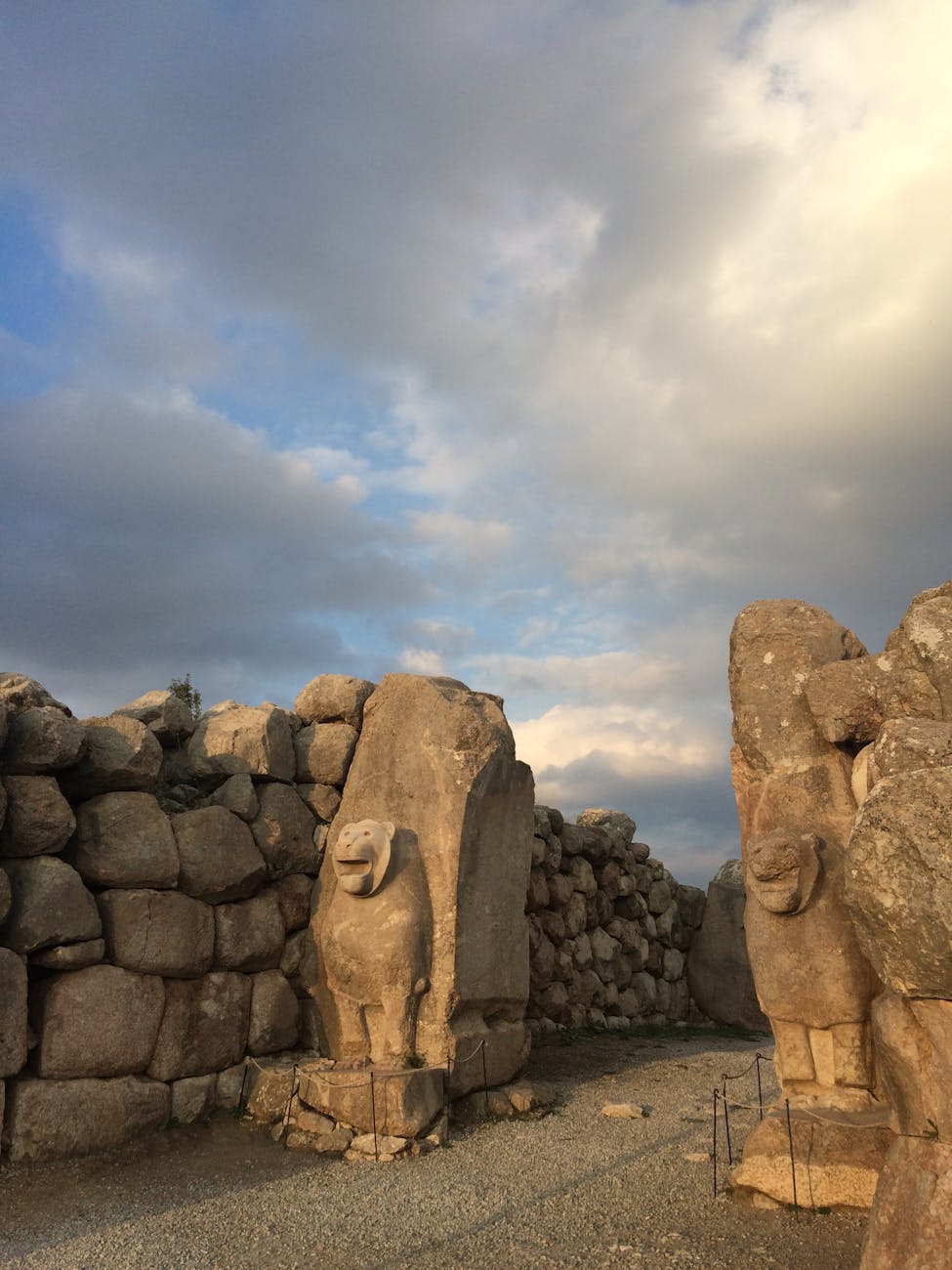
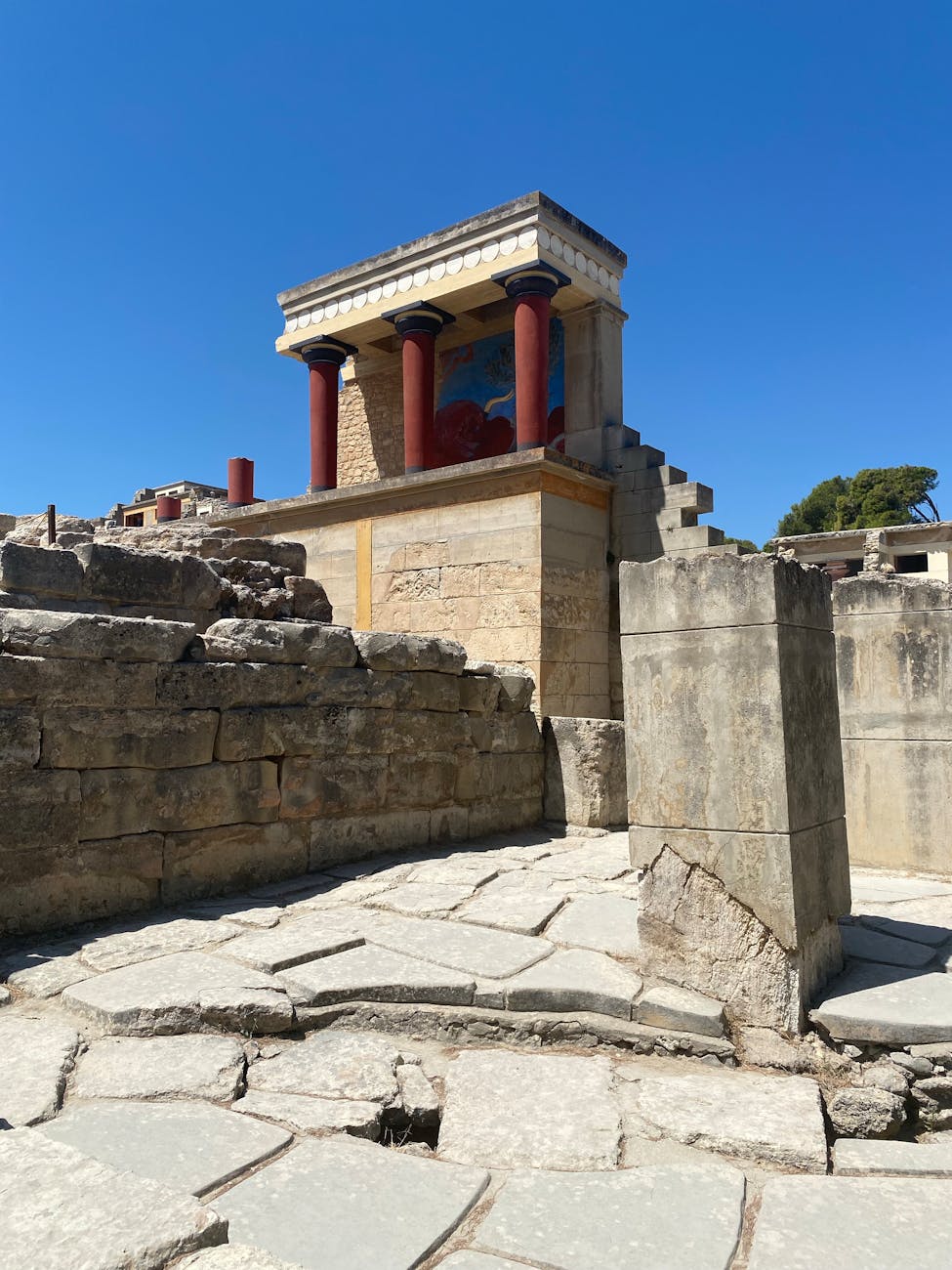
    In the Mediterranean world around the 12th century B. C. a dark age ensued. Then effectively Late Bronze Age civilization mysteriously imploded. Ancient exports plunged. Ostensibly European / Asian economic and cultural sophistication wilted. Among those civilizations disappearing or massively squelched include the Hittite, Ugarite, Minoan, Mycenaean, Trojan, and Babylonian.3 A definitive explanation for why alludes scholars to this date.4


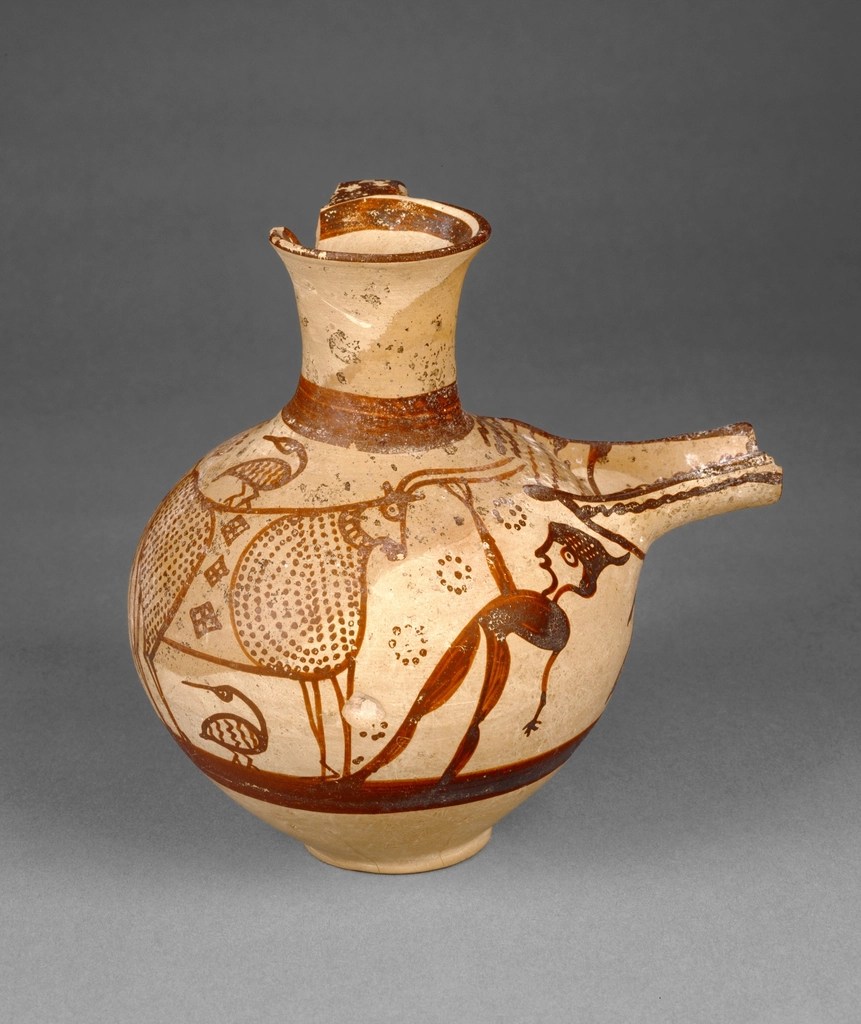
    Mycenaean Sieve Jug Painter 20

    J. Paul Getty Museum
    Licensed under CC-CC0 1.0
    Lion-Gate-of-Hattusa,-Turkey

    Lion Gate of Hattusa, the Capital of the Hittites


    Bogazkale, Turkey

    Photo by u00f6zhan Hazu0131rlar on Pexels.com
    Knossos-Palace,-Crete

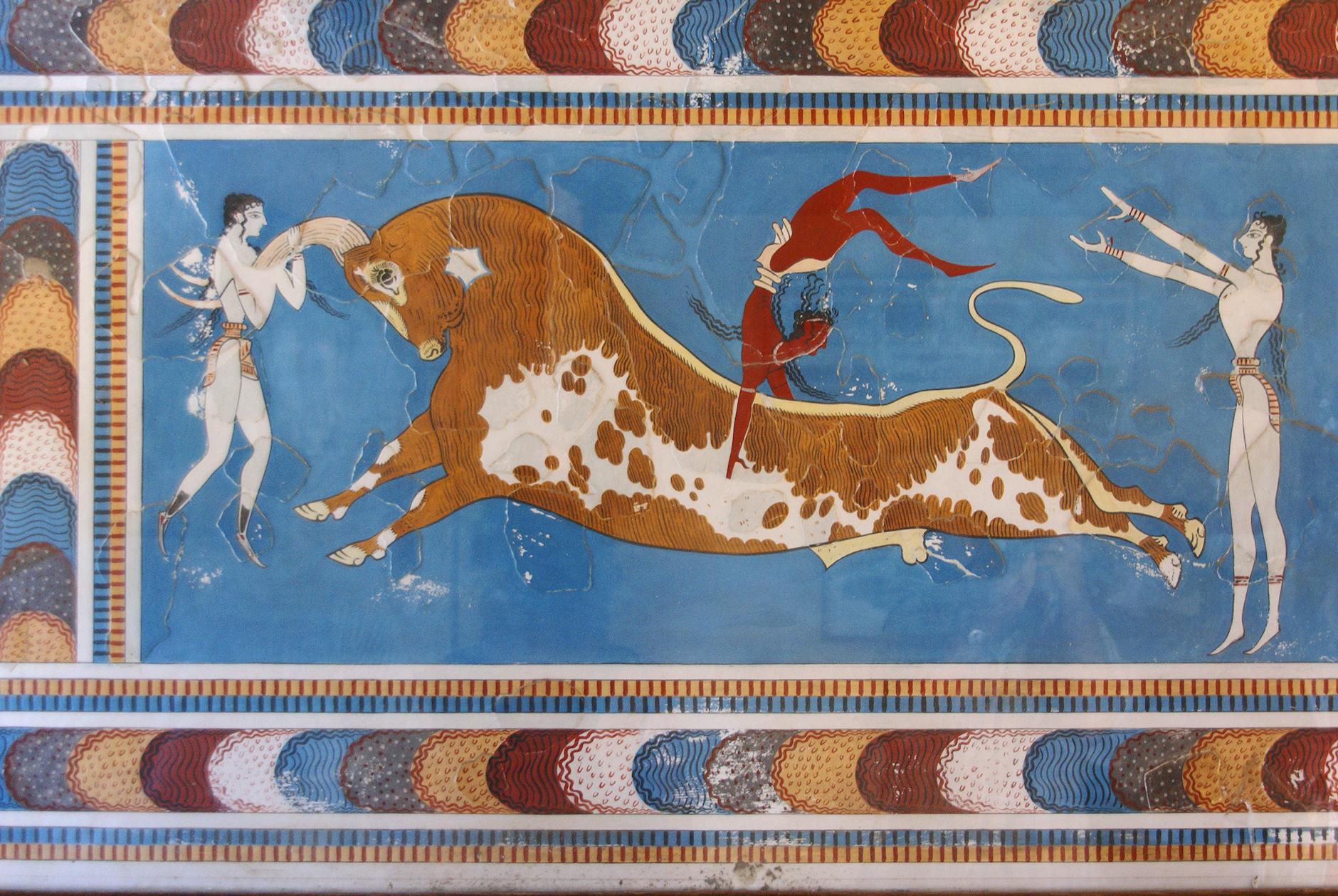
    Knossos in modern Crete, a leading cultural center of the ancient Minoans


    Photo by Luo on Pexels.com
    Minoan fresco

    Minoan bull fresco in Knossos Palace, Crete, Greece

    Photo by Gu Bra on Pexels.com

    From this dark age understanding Stripling deduced a probability.

    He proposed that likely someone imported the lead tablet in the thirteenth, fourteenth, or earlier centuries B. C. Zertal dated pottery at the site between 1250 B. C. and 1400 B. C. Given the twelfth century’s mysterious economic and cultural collapse, someone likely imported the lead tablet in previous centuries. That is before the ancient dark age of 1200 to 1150 B. C.

    The metallurgical analysis, therefore, strengthened Stripling’s idea about the tablet’s date. Although not concrete, likely, the defixio dated from early in the late bronze age.

    Nevertheless, Stripling perceived that he had exhausted the tablet’s plausible investigative analysis. It was time for greater focus on his many other administrative, scholarly, and archaeological pursuits.

    Thinking thus, he sent an email to a colleague attaching a tablet photo. Subsequently, among archaeological circles this began to circulate.

    Then afterwards an unexpected opportunity for further investigation materialized.

    Stripling read of a technological advancement. The ability to peer into lead to discern written content had been demonstrated. Also, he learned that the Institute of Theoretical and Applied Mechanics in Telč (Czech Republic) excelled at the process.

    Arrangements were made. Israeli authorities gave a colleague a license to courier the “defixio” to Prague.5

    Prague

    Prague

    Photo by Eduardo Ortiz on Pexels.com

    Time passed. The Institute at Telč, 152 km. from the capital, finished its analysis and forwarded the results, scientific and epigraphical.

    Amazingly the Telč team indeed perceived something within. An epigraphic expert there suggested proto-alphabetic letters. That is, ancient letters representing sounds rather than complete thoughts.

    These initial revelations alone had profound meaning for Stripling. Now he had his most conclusive evidence for the date of the tablet. It had to be Late Bronze Age or Early Iron Age I. That is, from as early as 1400 to as late as 1250 B.C.6

    Why? Such was the epigraphically and archaeologically accepted period for use of proto-alphabetic script.

    No longer did the tablet present an anachronistic dilemma. It now definitively matched Zertal’s pottery dates.

    What else could this new evidence portend?

    This I probe further in my next post!

    Next post: “Attribution Crisis”

    1. Sean McDowell, Oldest Hebrew Writing? Mt. Ebal Curse Tablet (Revisited) m.youtube.com>watch, (8:51), 11 May 2023. ↩︎
    2. Special Update: The Mount Ebal Curse Tablet (Ep1 of 3), Youtube: Patterns of Evidence, youtube.com/watch?v=YX3TH_nfgLo, Episode One at (26:12), May 21, 2024. ↩︎
    3. Stan Guthrie, “The Book of Joshua and the Late Bronze Age Collapse”, https://www.newcovenantnaperville.org/the-book-of-joshua-and-the-late-bronze-age-collapse, 02 Jan. 2025 ↩︎
    4. Matti Friedman, “An Archaeological Dig reignites the Debate Over the Old Testament’s Historical Accuracy”, mattiefriedman.com, paragraph 21. December 12, 2021. ↩︎
    5. Breaking News “Mt Ebal Curse Tablet Peer Review Complete”, Appian Media, In Roads, youtube.com/watch?v=_15tYO4hqJS, (27:30), May 12, 2023. ↩︎
    6. Id., (06:40). ↩︎
    One-Time
    Monthly
    Yearly

    Make a one-time donation

    Make a monthly donation

    Make a yearly donation

    Choose an amount

    $5.00
    $15.00
    $100.00
    $5.00
    $15.00
    $100.00
    $5.00
    $15.00
    $100.00

    Or enter a custom amount

    $

    Your contribution is appreciated.

    Your contribution is appreciated.

    Your contribution is appreciated.

    DonateDonate monthlyDonate yearly

    Dinner-bouquet-option

    Lagniappe Joshua’s Altar link / “See for Yourself”
    Dinner-bouquet-option

    Lagniappe Curse Tablet link / Armstrong Institute, Curse tablet
  • A Refutation?

    A Refutation?

    Sizing the Opposition I

    [Ebal’s Plea, twenty-one of thirty-two]

    I now aim at capturing relevant arguments of the numerous critics of Stripling’s article.

    Yet, I discuss the work of only one, Mark S. Haughwout, a respected Hebrew scholar and instructor at the Indian Bible College, Flagstaff, Arizona.

    There are a couple of reasons for this.

    For one he does an admirable job of not only giving his thoughts but of summarizing the main views of other prominent voices.

    The second reason is that his publisher, Heritage Science, the same publisher as Stripling’s article, is free and easily accessible online.

    This of course makes a lay person’s review of his work feasible.

    Before considering the body of Haughwout’s article, let us spend some time with his title–“Mt. Ebal curse tablet? A refutation of the claims regarding the so called Mt. Ebal curse tablet.”

    A key word is “refutation”.

    Merriam-Webster defines this as “the act or process of refuting”.

    For the root word, “refute”, it gives these alternative definitions:

    1. : to prove wrong by argument or evidence : show to be false or erroneous
    2. : to deny the truth or accuracy of

    The meaning of each differ markedly.

    Which did Haughwout intend?

    Does Haughwout prove Stripling’s claims false or does he simply deny their truth?

    To underscore the vast difference in these ideas consider Matthew 9:5 NIV.

    Jesus healing the paraplegic

    Which is easier: to say, ‘Your sins are forgiven,’ or to say, ‘Get up and walk’?

    Matthew 9:5 NIV

    Of course, the answer is the former.

    Similarly, simply denying the truth of Stripling’s claims is one thing. Actually proving that they are wrong is another.

    So which is it? How can we know?

    By happenstance, Haughwout answers himself. His conclusion states: “The only substantiated claim that Stripling et al. can make at this time is that they have found a very old, small piece of folded lead on Mt. Ebal using wet sifting.”

    By using the word “refutation” in his title Haughwout thus declares that he has disproved Stripling’s claims, not that he merely disputes them.

    Photo by Arturo Au00f1ez. on Pexels.com

    We thus perceive that Haughwout’s and Stripllng’s ideas are decidedly in opposition.

    One alleges that the Ebal tablet depicts something profoundly important.

    The other claims to have refuted, i. e. disproved, those contentions. Essentially he declares, “Currently this tablet presents nothing of consequence.”

    One says, “Take notice world! This artifact likely challenges scholarly history.”

    The other declares that he has shown otherwise. Thus scholarly communities and serious journalistic ones should largely ignore the claims about this artifact.

    Esteemed professionals back each. A respected scientific journal published both. Peer reviewers vetted both.

    How do we resolve this tension?

    Whose arguments should carry the day?

    For assistance I turn to an American court procedure.

    This our next post explores.

    Next post: “Between WNN, Sun, and Earth”

    One-Time
    Monthly
    Yearly

    Make a one-time donation

    Make a monthly donation

    Make a yearly donation

    Choose an amount

    $5.00
    $15.00
    $100.00
    $5.00
    $15.00
    $100.00
    $5.00
    $15.00
    $100.00

    Or enter a custom amount

    $

    Your contribution is appreciated.

    Your contribution is appreciated.

    Your contribution is appreciated.

    DonateDonate monthlyDonate yearly
    Dinner-bouquet-option
    Dinner bouquet option / Digging for Truth, Two
    Dinner-bouquet-option
    Dinner bouquet option /
  • Between WWN, Sun, and Earth

    Between WWN, Sun, and Earth

    Sizing the Opposition II

    [Ebal’s Plea, twenty-two of thirty-two]

    The last post sets up our story’s tension. Stripling claims that his artifact challenges scholarly world history. Haughwout counters that he has disproved such.

    How do we resolve this? I suggested turning to an instrument of the American courts.

    That instrument is summary judgment. Via it courts adjudicate civil cases absent a trial.

    The procedure aids in balancing justice and fair play and the need for judicial economy.

    Here I use it for comparison and contrast.

    How does summary judgment work? Imagine yourself as the plaintiff seeking redress for a perceived wrong. At some point in pre-trial proceedings the opposing party files a motion for summary judgment. Both parties brief their respective positions. Afterward, the court issues its decision.

    If the court agrees with the opposition and grants summary judgment in full against you, you lose, end stop! Barring an appeal–a costly, time consuming, and dicy affair, your case is caput. In effect, it has been deemed unworthy of further consideration. You get no opportunity for a trial.

    Comparable Consequences

    With this I draw a parallel with Haughwout’s “refutation”. By analogy he claims an iron clad case for in effect scholarly and journalistic summary judgment.

    Henceforth, Stripling’s positions, Haughwout suggests, qualify in effect only for grocery aisle tabloid offerings of the latest Big Foot and Freddie Mercury sightings.


    Photo by Jack Sparrow on Pexels.com

    He figuratively contends that he has rendered Stripling’s arguments unfit for further serious scholarly or public consideration.


    BIGFOOT VS. ALIENS!

    HAIRY HERO DEFENDS HOME TURF AGAINST SPACE INVADERS!

    9 May 2006-Weekly World News

    Photo by Gabe on Pexels.com

    DA VINCI WAS A TIME TRAVELER!

    5 August 2006-the SUN


    Photo by Henry Acevedo on Pexels.com

    With Haughwout a sizable contingent of authors and professional commentators seem to agree.

    This a quick online search confirms. Google “Mt. Ebal Curse Tablet”. There you soon encounter offerings such as these:

    • “New Studies Debunk Controversial Biblical ‘Curse Tablet’ from Mt. Ebal”;1
    • “New academic articles heap fresh doubt on Mount Ebal ‘curse tablet’ interpretation;”2
    • “Academic article on controversial 3,200 year-old ‘curse tablet fails to sway experts;”3
    • “Hook, Line, and Sinker: Mt. Ebal Curse Tablet Debunked?;”4
    • “Don’t Be Fooled by the Mount Ebal Curse Tablet.” 5
    • “The Mt. Ebal “inscription” is actually a Folding Lead Clasp.”6

    Delve deeper into these and you encounter statements from scholarly professionals like these:

    • “This article is basically a text-book case of the Rorschach Test, and the authors of this article have projected upon a piece of lead the things they want it to say.” So advises Prof. Christopher Rollston, an expert in Northwest Semitic languages and the chair of the Department of Classical and Near Eastern Languages and Civilizations at George Washington University7;
    • “The images made it clear that there are no discernible letters on this piece of crumpled lead,” said Rollston. “And again, the authors’ drawing of the letters bears no real similarity to what is present in the images;”8
    • “One big nothingburger”, says Dr. Robert Cargill, as cited previously, a Bible scholar and professor at the University of Iowa.9

    Articles and opinions pro and con are, of course, appropriate. The scholarly process thrives on such.

    The scholarly world, however, should also honor justice and fair play.

    The question is whether such really operates here.

    Not only has Haughwout figuratively filed a motion for summary judgment in the court of scholarly and public opinion against Stripling’s claims.

    Apparently too that court has in large part granted the motion. In other words, among much of the scholarly and journalistic community the Stripling claims are considered caput.

    Real consequences ensue from this figurative adjudication.

    This includes loss of possible funding. Maybe it quells a future academic / scientific endeavor by Stripling. For example, it could entail the loss of permit requests for further Mt. Ebal excavations.

    Questions arise:

    • Is this figurative adjudication just?
    • Should Haughwout’s claim meet some minimal standard?
    • Is not too much at stake to allow otherwise?

    In sum, how do we arrive at an appropriate fair answer to all of these?”

    Contrasting summary judgment and scholarly “refutation” suggests one.

    This I will discuss in our next post.

    Next post: “Rule 56”

    1. See: http://www.haaretz.com-Archaeology November 20, 2023. ↩︎
    2. See: http://www.timesofisrael.com -new -academic- December 7, 2023. ↩︎
    3. See: http://www.timesofisrael.com -academic -article, May 14, 2023. ↩︎
    4. See: http://www.biblicalarchaeology.org-daily, December 4, 2023. ↩︎
    5. See: Dr. Gad Barnea- Youtube,m.youtube.com -watch, June 2, 2023. ↩︎
    6. The Mt. Ebal “Inscription” is actually a Folding Lead Clasp …
      YouTube·Bible & Archaeology·Dec 2, 2023
      ↩︎
    7. Melanie Lidman, Academic article on controversial 3,200 -year old ‘curse tablet’ fails to sway experts, The Times of Israel, 14 May 2023, paragraph 18, https://www.timesofisrael.com/ academic-article-on-controversial-3200-year-old-curse-tablet-fails-to-sway-experts/, (7 October 2024). ↩︎
    8. Id., paragraph 37. ↩︎
    9. The Mt. Ebal “Inscription” is actually a Folding Lead Clasp …
      YouTube·Bible & Archaeology·Dec 2, 2023
      ↩︎
    One-Time
    Monthly
    Yearly

    Make a one-time donation

    Make a monthly donation

    Make a yearly donation

    Choose an amount

    $5.00
    $15.00
    $100.00
    $5.00
    $15.00
    $100.00
    $5.00
    $15.00
    $100.00

    Or enter a custom amount

    $

    Your contribution is appreciated.

    Your contribution is appreciated.

    Your contribution is appreciated.

    DonateDonate monthlyDonate yearly
    Dinner-bouquet-option
    Dinner bouquet option / Digging for Truth, Three
    Dinner-bouquet-option
    Dinner bouquet option /
  • The Plan

    The Plan

    Objective Analysis I

    [Ebal’s Plea, twenty-five of thirty-two]

    In the last post we returned from the hypothetical to the real world.

    Yet, I have decided to embrace SCOS Code Provision 56. It I will apply for resolving our Stripling v. Haughwout issues.

    But this is important! I am not suggesting that the scientific community adopt a similar Scholarandrian governmental rule. Without other safeguards such might be subject to abuse by an authoritarian regime. Of this legislative drafters must remain always cognizant. Particularly now they must consider any rule in the hands of Donald Trump and his obsequiously corrupt MAGA acolytes.

    What I am suggesting is that the general public use this rule as consumers of scientific and academic information. The scientific and journalistic communities may declare that debate on a topic with issues similar to here has reached its culmination. The general public can then apply this standard to better determine if that is warranted.

    I therefore use Provision 56 of the Scholarandrian Code in that spirit. Has the debate over the Curse Table reached a pinnacle? Does the end result rest with scholars such as Haughwout determining that there is nothing to see here?

    Applying our standard can help us decide.

    Accordingly, I first need to determine the material fact(s) of Haughwout’s claim’s. What are his contested, indispensable ones?

    Is-there-an-"Aleph"?

    Is there an “Aleph”?

    Photo by Jesu00fas Esteban San Josu00e9 on Pexels.com

    Such I determine to be as follows:

    Haughwout insists that at least one of the following statements are true:

    • The tablet does not contain proto-alphabetic script denoting the words “ARWR”–“cursed” and “YHW”–“Yahweh”, the Hebrew name for God; or
    • A Hebrew of before 1250 B. C. did not inscribed the tablet.
    Is-there-a-"He"?

    Is there a “He”?

    Photo by Kulbir on Pexels.com

    To decide in Haughwout’s favor I must find that a reasonable person could not genuinely dispute the above.

    I must deny the “disproval / refutation”, if I find otherwise.

    The next posts divide this material fact into four discussions.

    • Does the tablet contains proto-alphabetic letters?;
    • Does it display the word “ARWR”?;
    • Does it reveal “YHW” as the name of God?; and
    • Did a Hebrew of prior to 1250 B. C. inscribe the tablet?

    After those discussions, I give my preliminary judgment on whether Haughwout has achieved his “refutation”.

    My conclusion of this memorandum follows that.

    Let us get after it.

    Next post: “Letters?”

    One-Time
    Monthly
    Yearly

    Make a one-time donation

    Make a monthly donation

    Make a yearly donation

    Choose an amount

    $5.00
    $15.00
    $100.00
    $5.00
    $15.00
    $100.00
    $5.00
    $15.00
    $100.00

    Or enter a custom amount

    $

    Your contribution is appreciated.

    Your contribution is appreciated.

    Your contribution is appreciated.

    DonateDonate monthlyDonate yearly
    Dinner-bouquet-option


    Mt. Ebal lagniappe / Nehemia’s Wall, Stripling
    Dinner-bouquet-option


    Joshua’s Altar Lagniappe / Cargill Excerpt
  • YHW?

    YHW?

    Objective Analysis IV

    [Ebal’s Plea, twenty-eight of thirty-two]

    The third discussion of Haughwout’s material fact ensues here.The question is this: Does the tablet contain, “YHW”–the holy name?

    Haughwout declares, “No”.

    About this a reasonable person can not genuinely dispute. Otherwise, this fact portion does not support his “refutation”.

    This issue I examine in these steps:

    As before, I first outline Haughwout’s position. Find this below the magenta banner.

    Against that I give push back below the yellow.

    Lastly, I announce my findings beneath the purple banner.

    “YHW” Is Not a Word

    Twice on the inner tablet Galil finds the name for the Hebrew God.

    For simplicity, I concentrate only on the Upper Yahweh of Figure 7’s #’s 11, 12, and 13.

    With Upper Yahweh Haughwout perceives two primary problems. He disputes the letter count. He also disparages visibility.

    These problems, Haughwout concludes, disqualify this “YHW”as either a word or as proto-alphabetic letters.

    • Letter Count

    For “Yahweh”, three letters are inadequate. The earliest otherwise recognized Hebrew spelling comes from the ninth century. It uses four letters–“YHWH”.

    Such vacillation among scribes on the name of God raises red flags.

    "He"-raises-a-red-flag!

    “He” raises a red flag!

    Stripling counters that three letters conform with an Egyptian spelling of the Hebrew name. There one finds a contemporary Late Bronze Age Egyptian inscription. It uses what some scholars contend is a three letter form.

    Haughwout minimizes the Egyptian case. First, some scholars allege that the three Egyptian letters actually correspond to the four phonetic letters of “YHWA”. Further, he notes, translating from Egyptian to Hebrew is problematic.

    Haughwout thus surmises that only a four letter rendition of the name is appropriate.

    • Visibilty

    Nevertheless, two of the letters which Galil purports for “YHW” present other problems.

    The first letter “Yod”, Figure 7’s # 11, he maintains is simply not there.

    Additionally, the last letter “Waw”, Figure 7’s # 13, is “highly speculative”.

    • Haughwout’s Conclusion

    As previously discussed, one of the best ways to distinguish coincidental marks from actual letters is this: The later will coalesce to form a word but not the former.

    “YHW” has an insufficient number of proposed letters to form the name of God.

    Additionally, some of its proposed letters are indistinguishable.

    Consequently, the above problems disqualify “YHW” from being a word or even proto-alphabetic letters.

    “YHW” Pushback

    Haughwout raises two objections. First, he objects to Yahweh’s three letter spelling. Second, he observes that one of its proposed letters, the “Yod”, is invisible while another, the “Waw”, is speculative.

    Separately below I address these.

    Yahweh of Three Letters?

    There is a reasonable explanation for the three or four letter conundrum.

    In the proto-alphabetic era as previously discussed, the written script was largely consonantal. In other words, vowels were usually not designated.

    Thus a proto-alphabetic scribe would have written “YHW” even though a vowel sound, likely an “eh” or an “ah” followed the “Waw”. This was simply understood without any designation.

    At a later time scribes added an “H” to the end of words to capture the previously understood vowel sound.1

    The “H” sound remained largely silent. Only the vowel, likely an “eh” or “ah” was voiced.2

    Thus, the later scribes did not altar the name of God. They simply modified the spelling by adding the letter “H” to act as a vowel at the end of the name. This thereby ensured the capture of the originally intended but previously only understood pronunciation.

    This explanation harmonizes the ancient three letters with the subsequent four.

    Absent “Yod”?

    Haughwout, who is not an epigrapher, alleges that an important letter does not exist. That is the initial “Yod” of our “YHW” set.

    Galil and van der Veen, both esteemed epigraphers, declare its presence.

    I agree with Galil and Pieter Girt van der Veen. The “Yod,” is indeed faint. Yet, in the composite photos of Figure 4 I nevertheless distinguish it under “Taw” and above the leg of “He.”

    See also Table 9, photo 2(a).

    Look, additionally, at Table 10, photo # 3. This hints of this letter’s negative bulge.

    Speculative “Waw”?

    While Haughwout concedes our “YHW’s” stickman “He” (See Table 3 [1 a & b]), the “Waw” he characterizes as “highly speculative.”

    Again, Galil and van Der Veen, the esteemed epigraphers, see it.

    Yet, honestly, could Picasso himself have drawn a more convincing mace? (See Table 4, 1 (a and b)!)


    Pablo Picasso

    by Beaton, Cecil

    Licensed under CC-BY-NC-ND 4.0

    A reasonable person could genuinely dispute Haughwout’s contention that the tablet does not display God’s name. Justifications include:

    • There is a reasonable explanation for why the proto-alphabetic era’s “YHW” equates with subsequent era’s “YHWH”. It is that later scribes added the “H” at the end of many words to ensure that previously understood vowel sounds were not lost. Those vowel sounds were endings of “ah” and “eh” with the “H” sound largely silent.
    • The “Yod” of our “YHW” is faint, but distinguishable. Further, the bottom bulge reinforces the presence of this letter.
    • A child would recognize this “Yahweh’s” “He”;
    • Picasso would embrace its “Waw”.

    The third portion of Haughwout’s material fact thus fails.

    Thus far we have determined this: That a reasonable person could genuinely dispute the absence of proto-alphabetic letters and the words “ARWR” and “YHW”. Therefore these portions of Haughwout’s material fact do not support his “refutation” claim.

    Our next post considers the remaining material fact portion. There I discuss whether the tablet’s inscriber was a Hebrew of before 1250 B. C.

    Let us get to it!

    Next post: “Pre-1250 B.C. Hebrew?”

    1. Hebrew Alphabet Made Easy, Hei, Lesson Three, Line 16, https://www.hebrewpod101.com/lesson/hebrew-alphabet-made-easy-3-hei; and
      Lobliner, Jacob, The Story of H, paragraph 36, 2008, http://faculty.ce.berkeley.edu/coby/essays/h.htm ↩︎
    2. Vowels in Hebrew, Lilmod Aleph Beth, https://lilmod-aleph-beth.com/vowels-in-hebrew/, The Mater Lectionis are consonants that function as vowels. paragraph five ↩︎
    One-Time
    Monthly
    Yearly

    Make a one-time donation

    Make a monthly donation

    Make a yearly donation

    Choose an amount

    $5.00
    $15.00
    $100.00
    $5.00
    $15.00
    $100.00
    $5.00
    $15.00
    $100.00

    Or enter a custom amount

    $

    Your contribution is appreciated.

    Your contribution is appreciated.

    Your contribution is appreciated.

    DonateDonate monthlyDonate yearly
    Dinner-bouquet-option

    Joshua’s Altar Lagniappe / Tablet Deciphered
    Dinner-bouquet-option

    Mt. Ebal Lagniappe / Joshua’s Altar