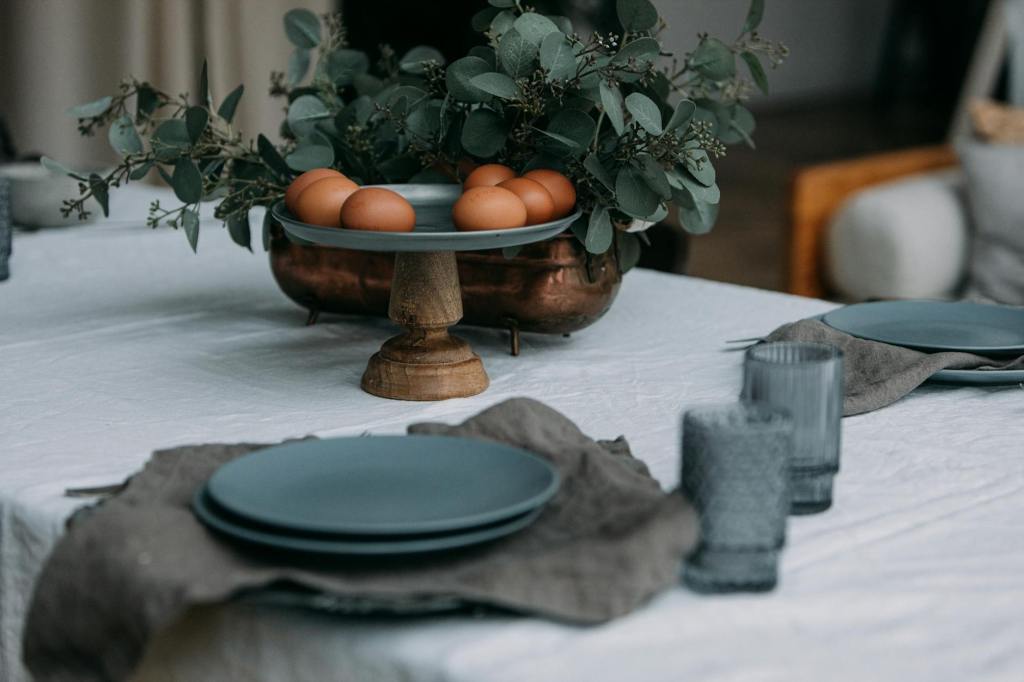
You do all that work—invitations, shopping, preparing an awesome meal.
A wonderful evening you envision—one abounding in cordiality, universal involvement, and engaging conversation.

Dining Room (1886) painting high
by nationalgalleryofart
Llicensed under CC-CC0 1.0
Instead, you realize that the evening could go flat. Rather than a triumph, conversation could lag —revived only by tired talk about pets, family, bills, costs, ailments, neighbors. Some people struggle to participate. Others incessantly monopolize. People leave appreciative of your efforts, but relieved to go home.
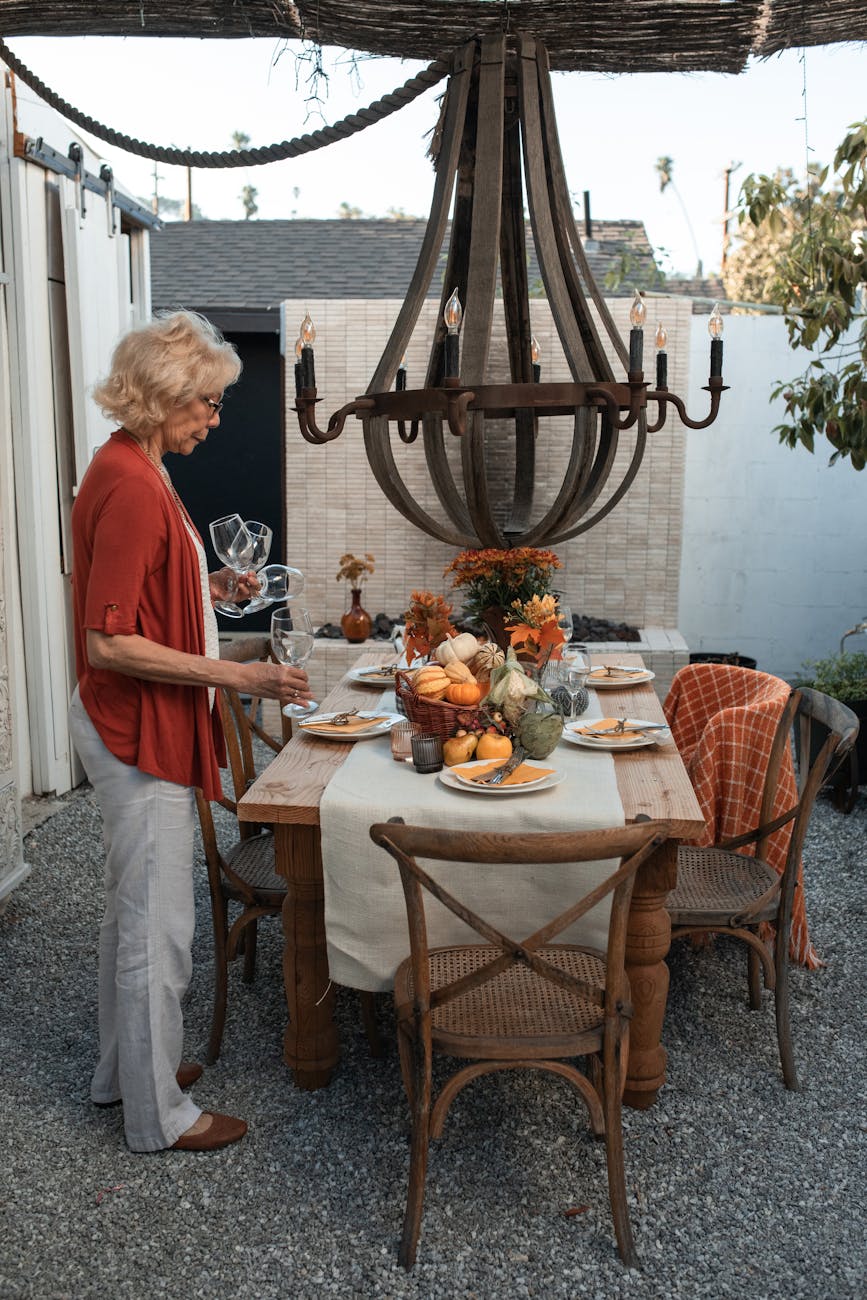
Photo by RDNE Stock project on Pexels.com
Hosts usually aim to enrich relationships.
Yet, they realize that a meal alone, no matter how sensational, may not achieve such.
Intuitively, however, they know what can. That is great conversation.
But where might they find a catalyst for this? How is it introduced?
This website proposes a catalyst and vehicle.
My wife and I like having dinner guests. We too have faced these dilemmas.
Some advice we gleaned from professional dinner organizers. One recommended: “By the way, if you don’t usually prepare topics for conversation, you should.”1 Another declared: “If it makes your guests uncomfortable, then avoid it.”
To the soundness of this advice we concur with a couple of provisos.
The first regards uncomfortable subjects. Often hosts interpret this as excluding politics and religion. To that I say, “No way!” Contrarily, I maintain that if you and your guests are adult enough to speak of such with reasonable civil gentility, then go for it. (Disregard, however, if you live in Putin’s Russia, Xi Jinping’s China, the Ayatollah’s Iran, Kim Jong Un’s North Korea, Lukashenko’s Belarus, etc. Note too that MAGA America seemingly aims to join this list.)
The second proviso is about preparing. Some think that identifying interesting topics completes the task.
In fact, engaging subjects, while important, are not the sole ingredient for best ensuring invigorating conversation.
What else is needed? An appropriate format helps. This reduces the likelihood of these discussion derailments:
- The topics do not take;
- Conversation veers to uncomfortable tangents like gossip;
- A catty remark causes hurt;
- Veering the conversation back to more appropriate realms makes the host seem tyrannical.
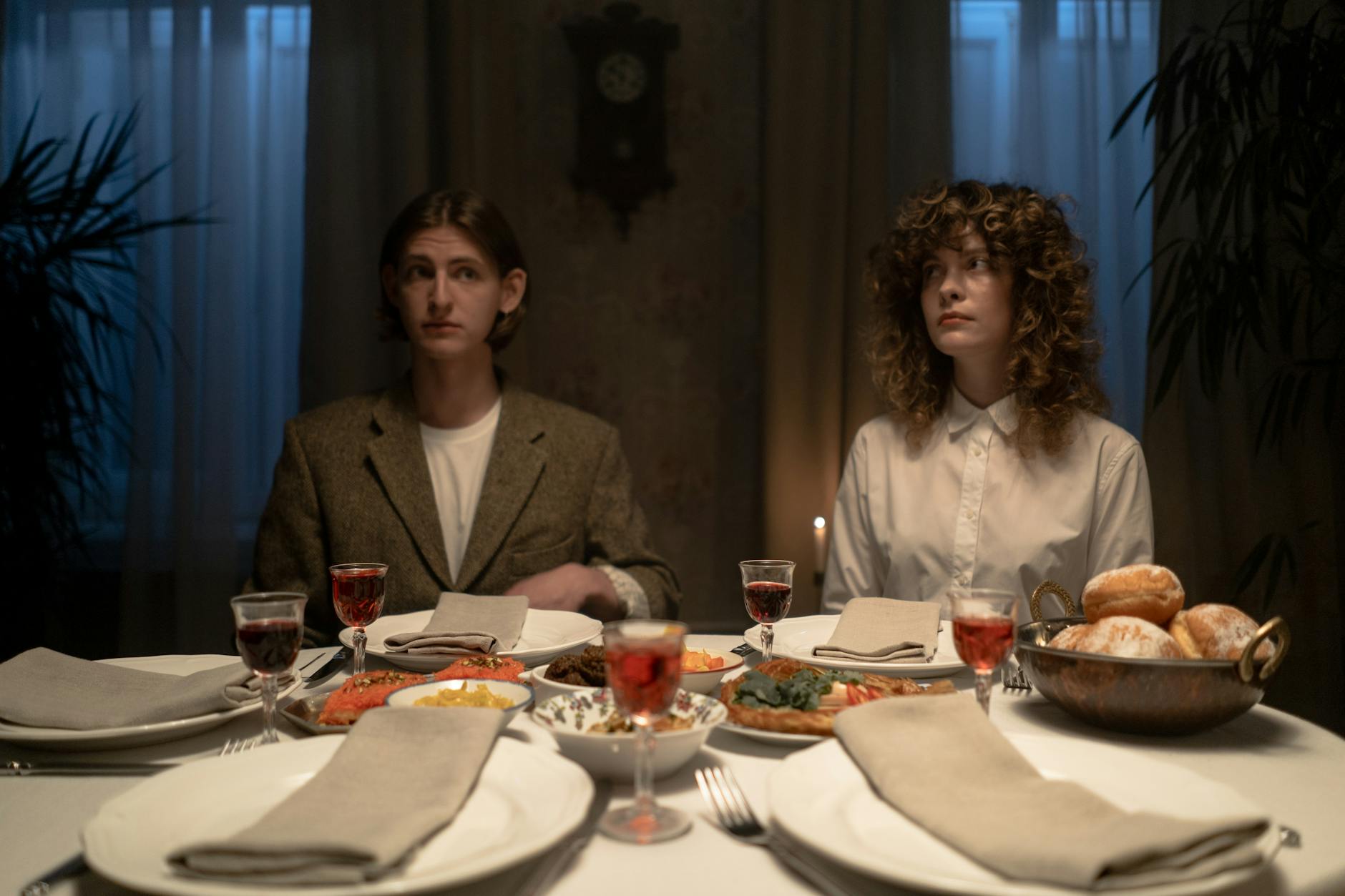
Photo by cottonbro studio on Pexels.com
What is a dining format? It is structure that provides:
- A comfortable setting for hosts and guests to share thoughts; and
- Boundaries that help maneuvers conversation toward a desired goal.
The idea of a dinner format is not unique. Search the internet. Examples there one can readily explore.
Some popular ones include Jeffersonian and Zeldin dinners.
For certain circumstances we perceive how each might work well.
Nevertheless, they seemed inappropriate for our home dinners. A successful Jeffersonian, for example, hinges upon having a scholarly somewhat authoritarian moderator. Such did not seem to fit a pleasant occasion with four to six neighbors and friends. The Zeldin dinner, on the other hand, elicits too much personal information from guests.
So we opted for another solution–“Dining Entente Cordiale.” That is dining pursuant to a friendly agreement, a working relationship, or an accord.

Photo by Pavel Danilyuk on Pexels.com
The gist of the idea is this: Guest and hosts agree to dine together to tackle a set of issues.
Book clubs operate similarly.
Likewise does the Sky News program, “Press Preview.” There a host moderates a discussion with prominent guests from the British press. Together they parse daily articles from assorted newspapers and tabloids.
Major components of this format include:
- Issuing invitations informing of the conversational dinner; plus
- Supplying guests beforehand with the discussion material, drafted questions, and the meal’s itinerary.
Sounds like a lot of work! Well, yes, it can be.
At this site though we take on much of that. For each dinner option we present much of what is needed. We supply a topic or topics, a sample invitation, the review material, and the dinner questions and itinerary.
One surprising benefit of this format is that it fosters engaging color in guests’ and hosts’ interactions.
People seldom in our modern world have the opportunity to discuss the same texts with others. This is especially so in light of the alarming decline in local print medias. Often people’s information flows from the multitude of national or international news outlets toward which they incline. Seldom do they sit down together to talk about material from a shared source.
In our format, on the other hand, all of our guests have agreed to familiarize themselves with the same text. To it they bring their own perspectives. Yet, these perspectives have a unified focus–the shared material.
This format, also, encourages guests to explore issues with others with whom they would not often have the opportunity. Seldom in most of our lives are we and others sufficiently versed on the same subject with people of different professional, educational, or social backgrounds. At our dinner everyone can confidently and competently discuss the issues at hand. All have had an opportunity to review the text/s and questions. The result is often refreshing perspectives expressed.
There are, of course, disadvantages .
One previously mentioned is that it requires more up-front work for all involved. The guests have additional preparing added to their busy lives. The hosts have increased moderating responsibilities.
On the other hand, for the guests they are compensated with a good meal and refreshing conversation and camaraderie.
The hosts too have the increased likelihood of presenting a fluid, organized, rewarding evening.
Our Dinner
After presenting a dinner topic, I with my wife, plan to host a dinner. There we will moderate a conversation with four to six friends, neighbors, and acquaintances. It will focus on our recently concluded blog topic/s.
After the dinner, I will draft a report. This will include an “after action review” in which my guests and my wife and I participate providing input on what went well, what needs improvement, and suggestions for how to make the evening better.
Once these things have been recorded, others wishing to similarly host a dinner will have access to our insights.
Hopefully, soon we will also have other prepared topics available.
If you have ideas for such, let us know.
In the meantime, feel free to use that presented.
If you do, please give us feed back on how well it worked for you.
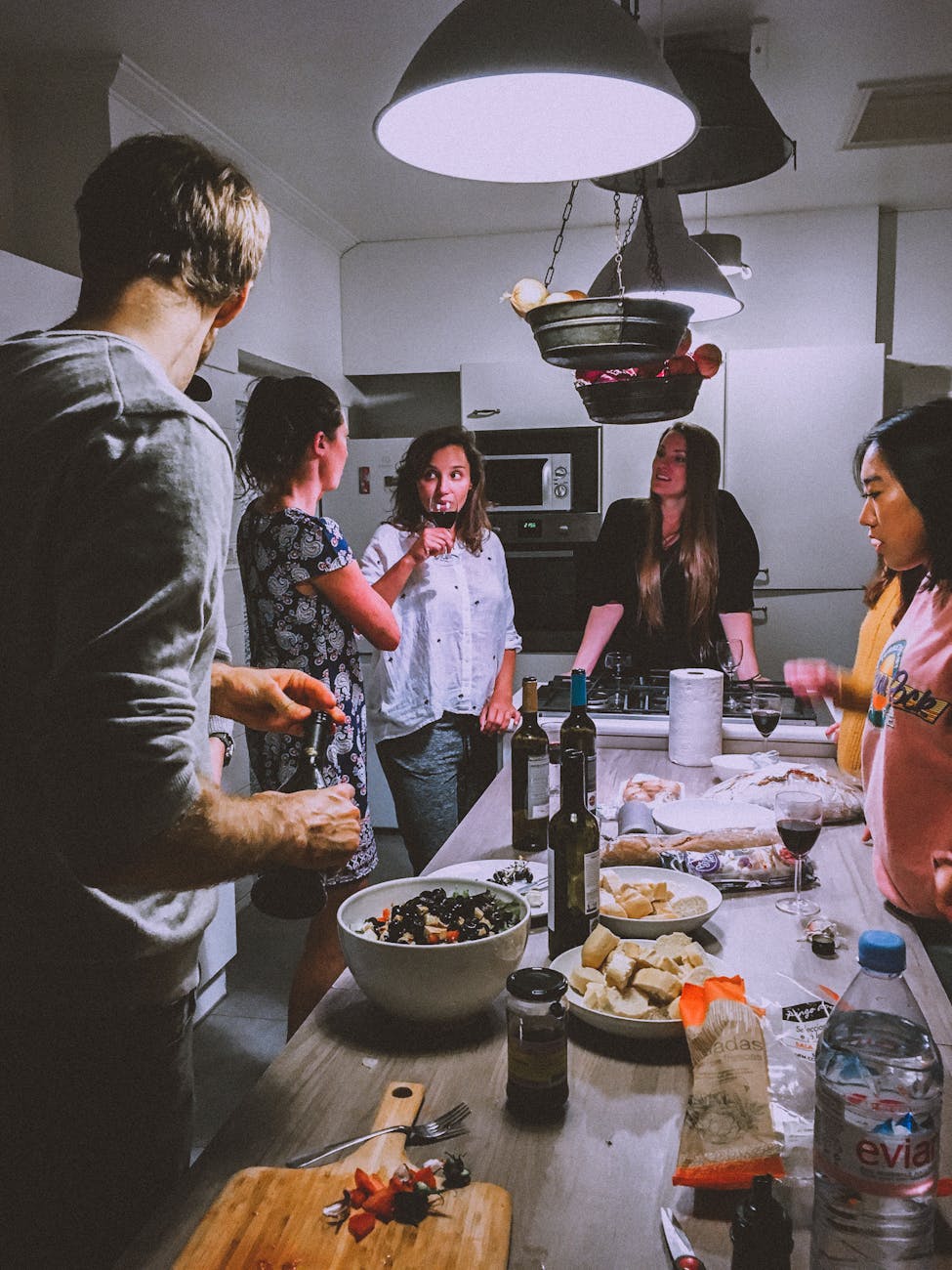
Photo by Lisa from Pexels on Pexels.com
Our hope is that dining entente cordiale brings captivating twists that gratify your fondest expectations.
Make a one-time donation
Make a monthly donation
Make a yearly donation
Choose an amount
Or enter a custom amount
Your contribution is appreciated.
Your contribution is appreciated.
Your contribution is appreciated.
DonateDonate monthlyDonate yearly- LeTournea University at letu.edu/aluni/dining-etiquette.html ↩︎



































 captivatingtwists.com
